Denali is not a mountain where reaching the summit is ever guaranteed. In the 2026 climbing season, 976 climbers registered to climb Denali, and 582 reached the summit, according to the National Park Service’s preliminary season report. That works out to approximately 59.6%, which the NPS rounded to 60%.
Those numbers offer a useful snapshot of one of the most demanding climbs in the Seven Summits challenge. But summit totals tell only part of the story. Weather, expedition planning, physical preparation, and safety decisions all shape what happens on North America’s highest mountain.
The 2026 season also brought serious consequences, including helicopter search-and-rescue operations and the deaths of five climbers on the West Buttress, one of whom was a mountaineering ranger.
So, what do the numbers actually tell us about Denali in 2026? And what can climbers learn from the season?
Note: The figures discussed below come from the National Park Service’s preliminary July 20, 2026 season wrap-up. They should not be treated as final annual totals unless confirmed by the NPS’s final report.
Denali 2026 by the Numbers
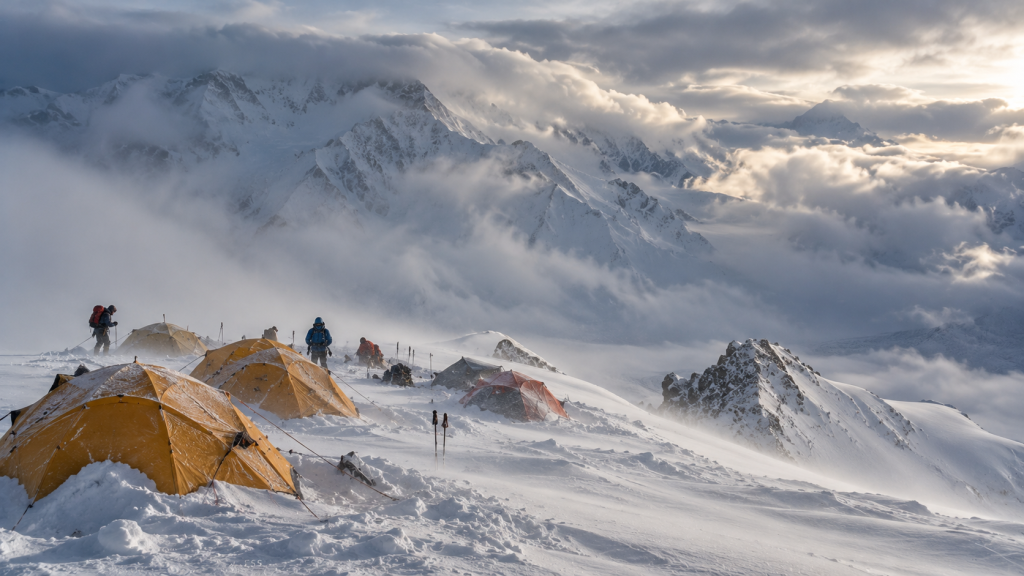
The National Park Service’s preliminary season report provides several important figures for understanding the 2026 climbing season.
- 976 registered climbers attempted Denali.
- 582 summits were recorded.
- Approximately 60% summit rate was reported by the NPS.
- 28 helicopter search-and-rescue missions were recorded.
- Five climbers died on the West Buttress, including a mountaineering ranger.
Source: National Park Service — 2026 Season Wrap-Up.
The summit rate is calculated by dividing 582 summits by 976 registered climbers. The result is approximately 59.6%, rounded to 60%.
That means roughly six out of every ten registered climbers reached the summit in the preliminary figures. However, the remaining climbers should not automatically be considered unsuccessful because they lacked the necessary skills or preparation. Some expeditions turn around because of weather, health concerns, timing, or other safety considerations.
On a mountain like Denali, a responsible turnaround can be just as important as a successful summit.
What Does Denali’s 60% Summit Success Rate Mean?
The Denali summit success rate is a useful measure of how a climbing season unfolded, but it is not a prediction of an individual’s chances of reaching the top.
A mountain-wide percentage combines climbers with different levels of experience, expedition plans, schedules, and weather exposure. Some teams may have more flexibility to wait for suitable conditions, while others face tighter timelines.
The percentage also does not explain why every climber did or did not summit.
For example, a climber might be physically prepared and technically capable but still turn around because of high winds or deteriorating weather. Another might experience altitude-related symptoms that make continuing unsafe.
The numbers provide context, not a guarantee.
For anyone planning to climb Denali, the more useful question is not simply, “What percentage of climbers summited?” It is, “How prepared am I to manage the conditions and decisions that this mountain demands?”
Why Denali’s Weather Can Change an Expedition
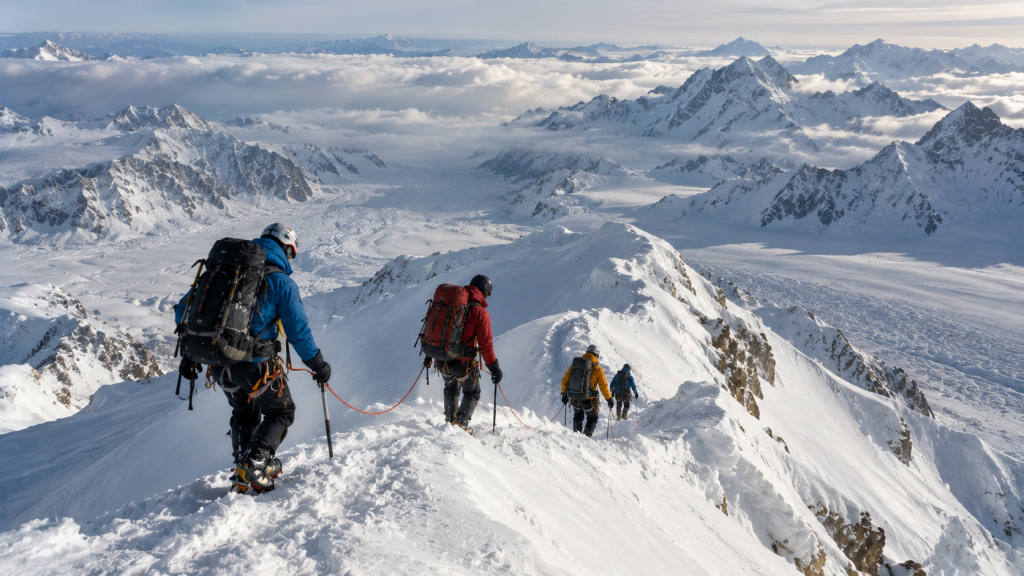
Denali’s extreme environment is one of the main challenges of the climb. Weather can disrupt schedules, delay movement between camps, and limit opportunities to attempt the summit.
In the 2026 season, National Park Service updates described difficult weather early in the climbing period. By late May, ranger teams were reporting slow progress, and weather affected operations on the mountain.
As the season progressed, changing conditions influenced how teams moved at different elevations. By late June, some lower-elevation teams were traveling during colder nighttime hours to avoid softer snow during the day. The timing of movement higher on the mountain could differ because temperatures and conditions vary with elevation.
These updates illustrate an important point: there is no single schedule that works perfectly for every expedition.
Climbers need sufficient food, fuel, and equipment to manage delays. They also need the flexibility to adjust their plans when conditions do not cooperate.
A well-planned Denali expedition accounts for the possibility that the mountain may require more time than expected.
The Safety Lessons Behind the 2026 Statistics
Summit totals are only one way to evaluate a climbing season. Rescue operations and fatalities also reveal the seriousness of the environment.
The NPS preliminary wrap-up recorded 28 helicopter search-and-rescue missions and five deaths on the West Buttress. These figures underscore that Denali’s risks remain significant, even for experienced climbers.
Preparation must go beyond physical fitness
Training is essential, but endurance alone is not enough. Denali demands experience with cold-weather camping, glacier travel, crevasse hazards, expedition equipment, and the practical challenges of operating at high altitude.
Climbers should understand their equipment before arriving in Alaska and know how to use it in difficult conditions.
Teams need a realistic timeline
A tight schedule can leave little room for waiting out storms or responding to health concerns. Expedition plans should allow enough time for acclimatization, weather delays, and safe descent.
Turning around is part of sound mountaineering
The summit is a goal, not an obligation. When conditions deteriorate or a climber’s health becomes a concern, changing the plan can be the safest decision.
The 2026 figures do not tell us the individual circumstances behind every rescue or unsuccessful summit attempt. They do, however, reinforce why preparation and conservative decision-making matter on Denali.
What the 2026 Season Shows About Climbing Denali
The 2026 figures become more meaningful when viewed alongside the previous season.
The NPS’s final 2025 annual summary reported a 36% summit success rate from 960 registered climbers. In the preliminary 2026 report, the rate rose to approximately 59.6%, based on 976 climbers and 582 summits.
That is a substantial year-to-year difference, despite similar numbers of registered climbers.
The comparison shows why Denali should not be assigned one permanent summit-success percentage. Results can vary significantly from one season to another, and a single year’s result cannot establish what the next season will look like.
It is also important not to attribute the change to one factor without sufficient evidence. Weather, expedition schedules, individual circumstances, and other conditions can all influence annual results.
For prospective climbers, the takeaway is straightforward: historical statistics are valuable for understanding the mountain, but they cannot replace current conditions, appropriate preparation, and sound judgment.
For additional context, the National Park Service maintains its annual mountaineering summaries, which include historical statistics and season reports.
What Climbers Can Learn Before Attempting Denali
Anyone considering Denali should use the 2026 season as a reminder to prepare for the entire expedition, not just the summit push.
Build the right experience. Develop skills in glacier travel, crevasse rescue, snow travel, cold-weather camping, and expedition management before attempting a mountain of Denali’s scale.
Test your equipment. Boots, insulated clothing, mittens, sleeping systems, and stove equipment need to perform reliably in cold conditions.
Plan for delays. Carry sufficient food, fuel, and other essential supplies for a realistic expedition timeline, including potential weather holds.
Understand your limits. Know when to slow down, rest, seek help, or turn around. A summit goal should never override a safety decision.
Choose your team carefully. Team members need to communicate well, share responsibilities, and make decisions together under pressure. On a remote mountain, teamwork is part of the safety system.
Denali is not simply a test of who can climb the highest. It tests how well climbers prepare, adapt, and make decisions when the conditions are beyond their control.
Frequently Asked Questions About Denali’s 2026 Climbing Season
How many climbers summited Denali in 2026?
The National Park Service’s preliminary season wrap-up recorded 582 summits from 976 registered climbers. The figures may change in the final annual report.
What was Denali’s summit success rate in 2026?
The preliminary rate was approximately 59.6%, which the NPS reported as 60% after rounding.
How did Denali’s 2026 summit rate compare with 2025?
The final 2025 annual summary reported a 36% summit success rate. The preliminary 2026 result was approximately 59.6%, demonstrating substantial variation between the two seasons.
How many search-and-rescue missions took place on Denali in 2026?
The preliminary NPS season wrap-up recorded 28 helicopter search-and-rescue missions.
Does a 60% summit success rate mean I have a 60% chance of summiting Denali?
No. The annual rate describes the overall season, not an individual’s probability of success. Personal outcomes depend on experience, preparation, health, expedition plans, weather, and many other factors.
Denali 2026: The Numbers Tell Part of the Story
The preliminary 2026 season figures—976 registered climbers and 582 summits—offer a valuable snapshot of climbing Denali. The approximately 60% summit rate is encouraging when viewed against the previous year’s result, but it does not make the mountain predictable.
The rescue missions and fatalities recorded during the season are equally important reminders that Denali demands respect, preparation, and sound judgment.
For climbers pursuing the Seven Summits, success is not measured only by standing on the highest point. It also means building the experience to make responsible decisions, supporting your team, and knowing when the conditions call for a different plan.
The mountain sets the terms. The climber’s job is to prepare for them.