Climbing the world’s highest peaks is an extraordinary challenge, but the greatest obstacle isn’t always steep terrain or technical climbing—it’s altitude. As you ascend into thinner air, your body receives less oxygen with every breath, making altitude sickness one of the most common hazards faced by mountaineers.
From Kilimanjaro and Aconcagua to Denali and Everest, altitude affects every climber differently. Even elite athletes and experienced guides are not immune. Knowing how to recognize altitude sickness symptoms, understanding how your body adapts, and knowing when to descend are essential skills for anyone pursuing the Seven Summits or any high-altitude adventure.
What Is Altitude Sickness?
Altitude sickness, medically known as Acute Mountain Sickness (AMS), occurs when the body cannot adapt quickly enough to reduced oxygen levels at higher elevations.
Air pressure decreases as elevation increases, meaning each breath contains less available oxygen. Your body responds by increasing breathing and heart rate while gradually producing more red blood cells to improve oxygen transport. This adaptation process, called acclimatization, takes time.
Most climbers begin experiencing symptoms above 2,500 meters (8,200 feet), although susceptibility varies greatly between individuals.
The important thing to remember is that altitude sickness can affect anyone, regardless of age, fitness level, or climbing experience.
Why Altitude Matters on the Seven Summits
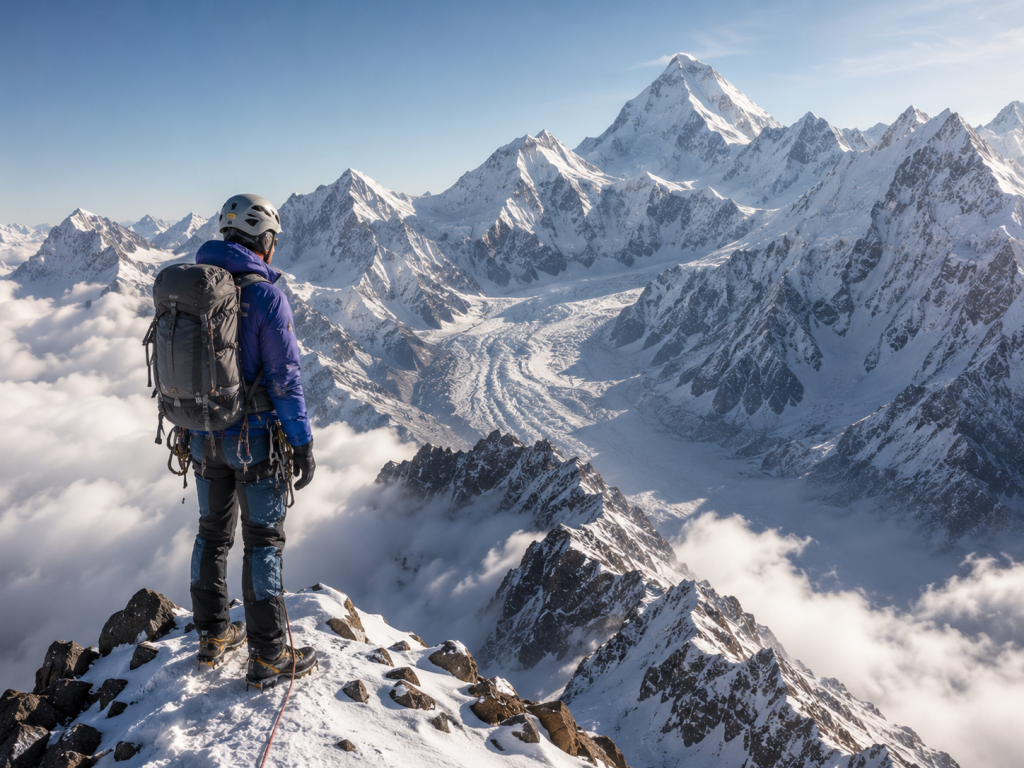
Every mountain presents unique altitude challenges.
- Mount Kilimanjaro (5,895 m): Rapid elevation gain makes AMS surprisingly common despite being a trekking peak.
- Mount Elbrus (5,642 m): Quick access to higher elevations can reduce acclimatization time.
- Aconcagua (6,961 m): Extended exposure to altitude increases dehydration and fatigue.
- Denali (6,190 m): Cold temperatures and heavy packs amplify altitude stress.
- Mount Everest (8,849 m): Extreme altitude places enormous demands on the human body.
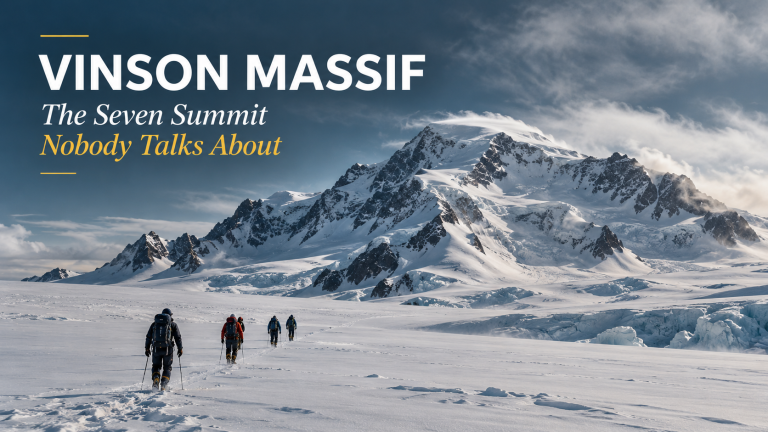
- Vinson Massif (4,892 m): Antarctica’s harsh climate compounds the effects of altitude.
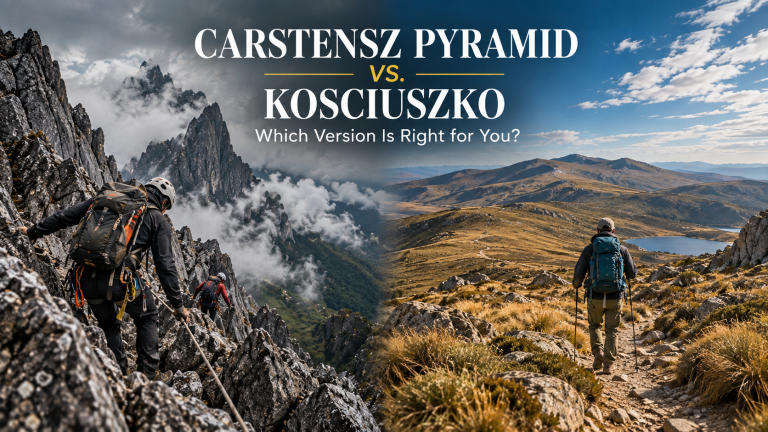
- Carstensz Pyramid (4,884 m): Tropical humidity combined with elevation presents unique physiological challenges.
Understanding altitude is an essential part of safe expedition planning.
Early Warning Signs of Altitude Sickness
Recognizing symptoms early is one of the best ways to prevent a mild condition from becoming a medical emergency.
Common symptoms include:
- Persistent headache
- Fatigue
- Dizziness
- Nausea
- Loss of appetite
- Difficulty sleeping
- Shortness of breath during exertion
- Reduced energy
Many climbers mistake these signs for normal exhaustion after a long day. However, if symptoms appear after gaining altitude, they should always be treated seriously.
Serious Symptoms That Require Immediate Descent
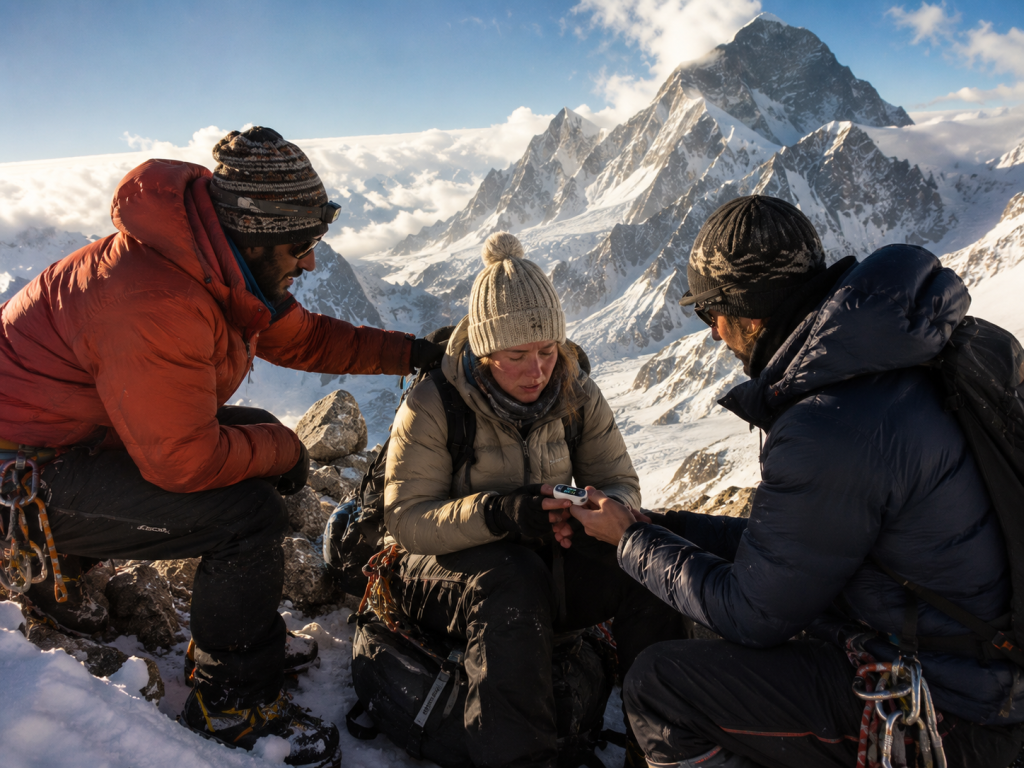
If Acute Mountain Sickness progresses, it can develop into two life-threatening conditions.
High Altitude Cerebral Edema (HACE)
Warning signs include:
- Confusion
- Difficulty walking
- Loss of balance
- Severe headache
- Slurred speech
- Altered mental status
High Altitude Pulmonary Edema (HAPE)
Symptoms include:
- Persistent cough
- Severe shortness of breath at rest
- Chest tightness
- Blue lips or fingernails
- Extreme fatigue
- Crackling sounds while breathing
Both conditions require immediate descent and emergency medical treatment.
Can You Prevent Altitude Sickness?
While altitude sickness cannot always be avoided, careful planning dramatically reduces the risk.
Ascend Slowly
The body needs time to acclimatize. Expeditions with gradual elevation gain generally have higher success rates and fewer medical issues.
Stay Hydrated
High-altitude environments increase water loss through breathing and physical activity. Drink consistently throughout the day.
Eat Enough Calories
Your body burns significantly more energy at altitude. Eating regular meals helps maintain strength and supports acclimatization.
Rest When Needed
Don’t ignore persistent symptoms. A rest day may allow your body enough time to adjust.
Listen to Experienced Guides
Professional expedition leaders continuously monitor climbers for subtle changes that may indicate worsening AMS.
Does Fitness Prevent Altitude Sickness?
No.
One of the biggest myths in mountaineering is that highly fit athletes are immune to altitude sickness.
In reality, Olympic athletes, elite runners, and experienced climbers have all developed AMS.
Fitness improves endurance but it does not improve your body’s natural ability to acclimatize.
Essential Safety Equipment for High-Altitude Expeditions
Modern expeditions often include equipment designed to improve safety, including:
- Pulse oximeters
- Supplemental oxygen
- Portable hyperbaric bags (on some expeditions)
- Satellite communication devices
- Wilderness first aid kits
While this equipment is valuable, no device replaces sound decision-making.