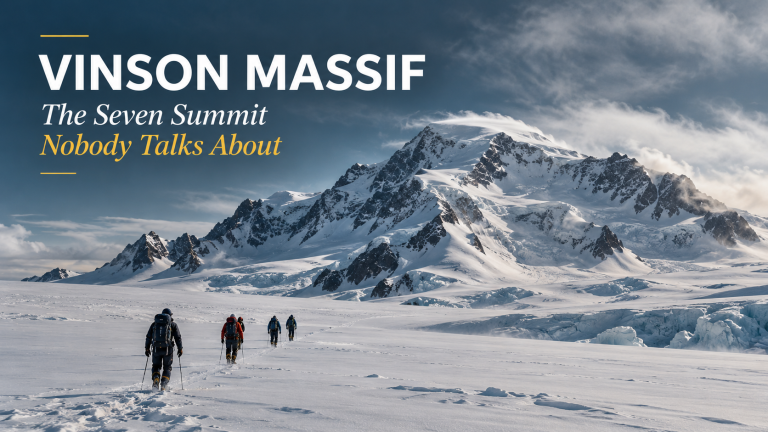
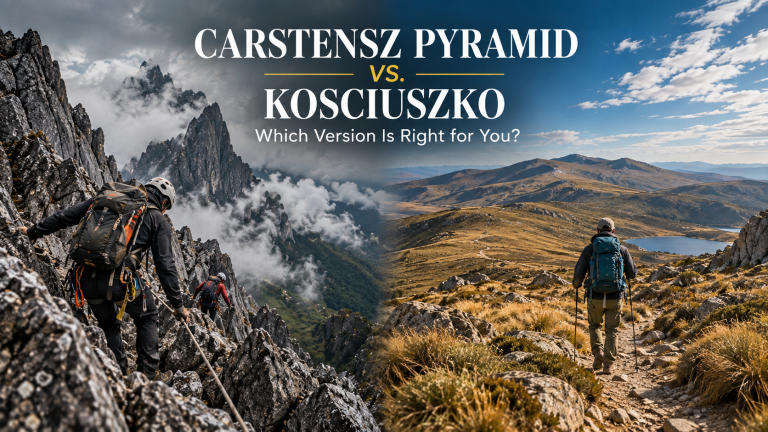
For many adventurers, the Seven Summits challenge represents the ultimate mountaineering goal: standing on the highest peak on each continent. From the icy slopes of Antarctica to the towering heights of the Himalayas, the Seven Summits are a test of endurance, determination, and adventure.
But if you’re just beginning your journey, one question comes up almost immediately:
Which Seven Summit should you climb first?
The answer depends on your experience, fitness level, budget, and long-term goals. While every mountain offers something unique, some are far more beginner-friendly than others.
If your goal is to successfully start your Seven Summits journey while building confidence and experience, here’s how the major peaks compare.
What Are the Seven Summits?
The Seven Summits are:
- Mount Kilimanjaro (Africa)
- Mount Elbrus (Europe)
- Aconcagua (South America)
- Denali (North America)
- Carstensz Pyramid (Oceania, Messner List)
- Vinson Massif (Antarctica)
- Mount Everest (Asia)
Many climbers spend years or even decades completing all seven peaks.
The smartest approach is to start with a mountain that allows you to gain valuable high-altitude experience while keeping technical demands manageable.
Why Your First Seven Summit Matters
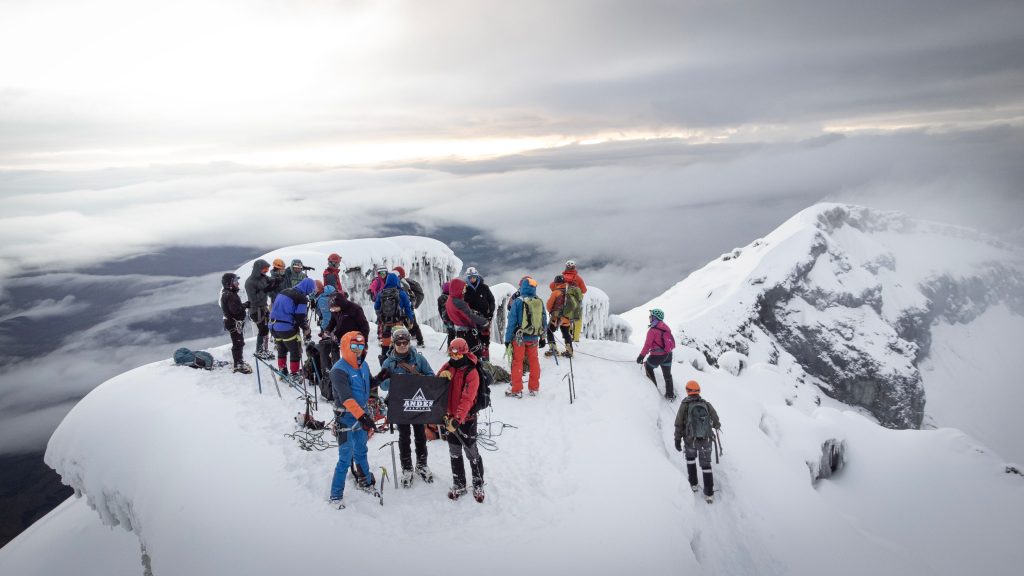
Your first summit often shapes the rest of your climbing journey.
A positive experience can:
- Build confidence at altitude
- Teach essential mountain skills
- Improve expedition planning knowledge
- Help identify gear needs
- Reveal whether you enjoy high-altitude mountaineering
Choosing a peak that is too technical or too extreme too early can make the challenge far more difficult than necessary.
Why Kilimanjaro Is Often the Best First Seven Summit
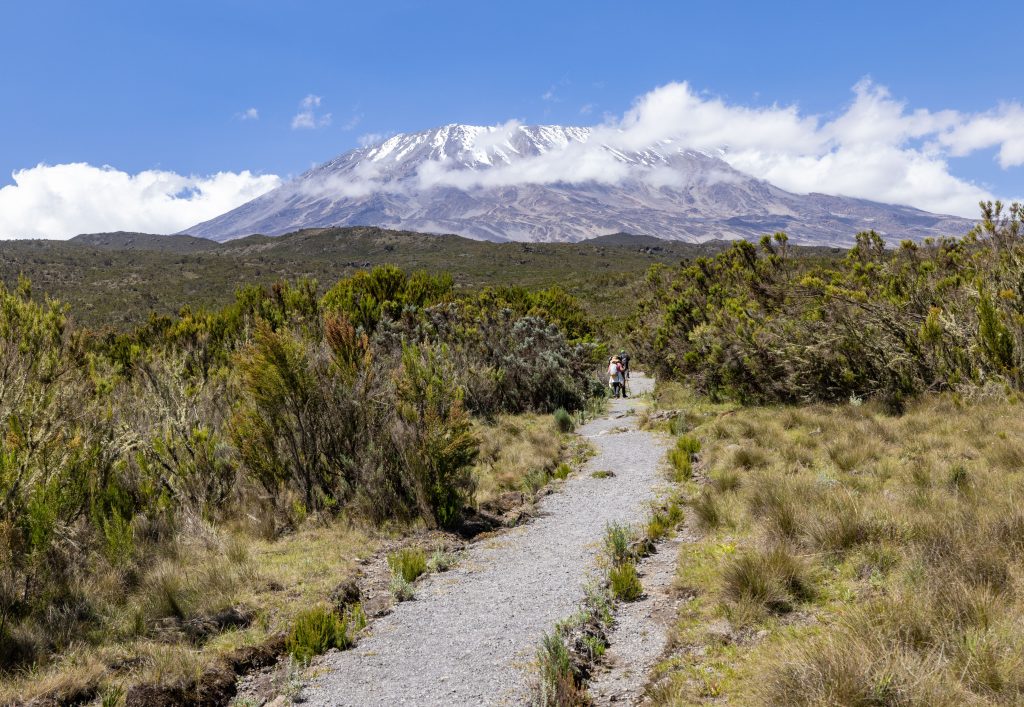
It Requires No Technical Climbing
Unlike Everest, Denali, or Carstensz Pyramid, climbing Kilimanjaro does not require ropes, crampons, glacier travel, or advanced mountaineering skills.
For most routes, it is a high-altitude trek rather than a technical climb.
This allows climbers to focus on:
- Acclimatization
- Endurance
- Mental toughness
- Multi-day expedition experience
Without needing years of mountaineering training first.
It Introduces You to High Altitude
At 19,341 feet (5,895 meters), Kilimanjaro is high enough to teach the realities of altitude.
Many future Seven Summits climbers experience:
- Slower hiking pace
- Reduced oxygen levels
- Altitude-related symptoms
- Summit-night challenges
These lessons become invaluable when progressing to larger mountains like Aconcagua or Everest.
The Logistics Are Simpler
Compared to many Seven Summits, Kilimanjaro is remarkably accessible.
You don’t need:
- Glacier equipment
- Extensive mountaineering permits
- Weeks away from work
- Specialized climbing skills
For many people, this makes it the most realistic place to begin.
Success Rates Are High With the Right Route
A quality operator and longer route significantly improve summit success.
At Climb Kili, we focus on the Lemosho and Machame routes because they provide excellent acclimatization profiles and consistently strong summit success rates.
How Kilimanjaro Compares to Other Popular First Choices
Mount Elbrus
Pros:
- Lower altitude than Kilimanjaro
- Relatively affordable
- Popular Seven Summits peak
Cons:
- Glacier travel
- Ice axe and crampon use
- More technical terrain
- Weather can change rapidly
Elbrus is a great second or third Seven Summit, but many climbers find Kilimanjaro provides a gentler introduction.
Aconcagua
Pros:
- Non-technical Normal Route
- Excellent altitude experience
- Strong preparation for Everest
Cons:
- Nearly 23,000 feet (6,962 meters)
- Much harsher weather
- Longer expedition
- Greater physical demands
Aconcagua is often considered the next logical step after Kilimanjaro.
Denali
Pros:
- Incredible wilderness experience
- Prestigious summit
Cons:
- Technical mountaineering skills required
- Glacier travel
- Heavy sled hauling
- Extreme weather
Denali is generally not recommended as a first Seven Summit unless you already have extensive climbing experience.
Everest
While Everest is the ultimate goal for many climbers, it should almost never be the first summit in a Seven Summits progression.
Successful Everest climbers typically build experience on mountains such as Kilimanjaro, Elbrus, Aconcagua, and Denali first.
A Suggested Seven Summits Progression
Many experienced climbers follow a path similar to:
- Mount Kilimanjaro
- Mount Elbrus
- Aconcagua
- Denali
- Carstensz Pyramid
- Vinson Massif
- Mount Everest
This progression gradually increases technical difficulty, altitude exposure, and expedition complexity.
How to Prepare for Your First Seven Summit
Whether you choose Kilimanjaro or another peak, preparation matters.
Build Aerobic Endurance
Focus on:
- Hiking
- Running
- Cycling
- Stair climbing
Train With a Pack
Practice carrying weight during long hikes.
Gain Elevation Experience
Whenever possible, spend time hiking at higher elevations.
Learn Expedition Basics
Your first summit should teach:
- Layering systems
- Hydration strategies
- Recovery techniques
- Mental resilience
- Altitude awareness
These lessons become the foundation for future climbs.
Why So Many Seven Summits Journeys Begin on Kilimanjaro
There is a reason thousands of climbers start their Seven Summits adventure on Kilimanjaro every year.
It combines:
- Significant altitude
- Non-technical terrain
- Extraordinary scenery
- Relatively simple logistics
- Strong success potential
Most importantly, it provides an authentic expedition experience without requiring advanced mountaineering skills.
For many climbers, reaching Uhuru Peak is the moment they realize that the Seven Summits challenge may actually be possible.
And every great Seven Summits story has to start somewhere. For countless adventurers around the world, that first step begins on the slopes of Africa’s highest mountain