For mountaineers and adventure travelers around the world, the Seven Summits represent one of the greatest achievements in climbing: reaching the highest mountain on each continent.
From the icy slopes of Antarctica to the high-altitude trails of Africa, the Seven Summits challenge combines endurance, travel, preparation, and mental resilience. While some of these mountains require advanced technical mountaineering skills, others offer a more accessible introduction to high-altitude climbing.
For many aspiring climbers, the journey begins on Mount Kilimanjaro one of the most iconic and achievable Seven Summits for non-technical trekkers.
Whether you’re researching the Seven Summits for the first time or considering your first major expedition, this guide breaks down the difficulty, cost, and best place to begin.
What Are the Seven Summits?
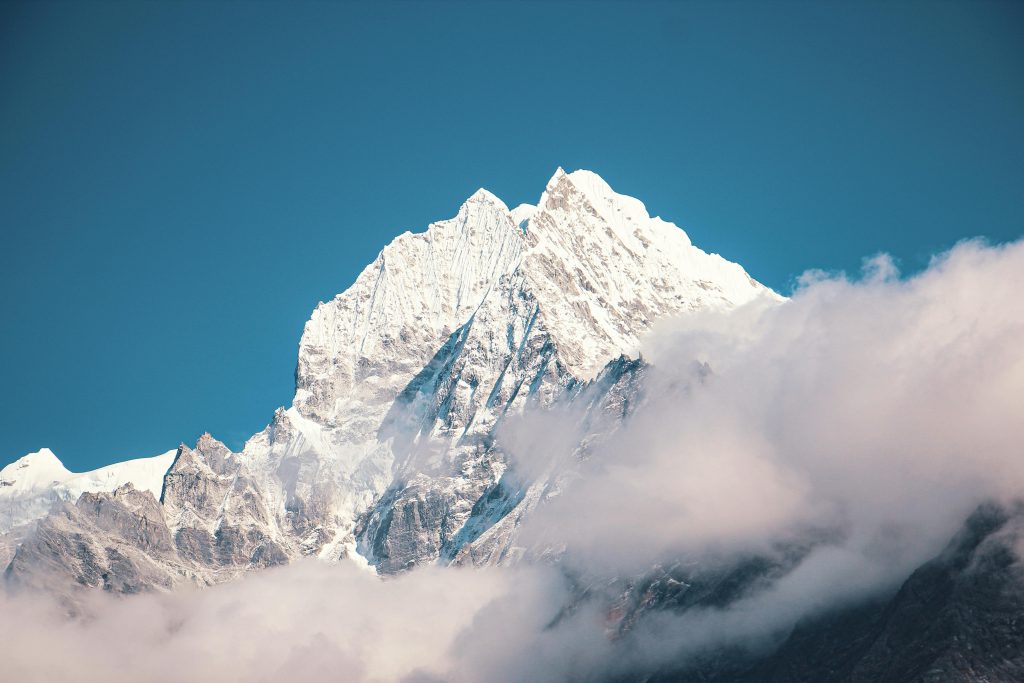
The Seven Summits are the tallest mountains on each continent:
- Mount Everest – Asia
- Aconcagua – South America
- Denali – North America
- Mount Kilimanjaro – Africa
- Mount Elbrus – Europe
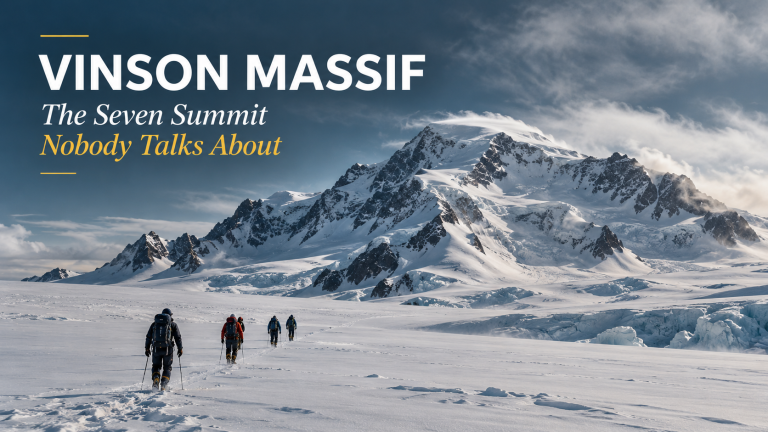
- Vinson Massif – Antarctica
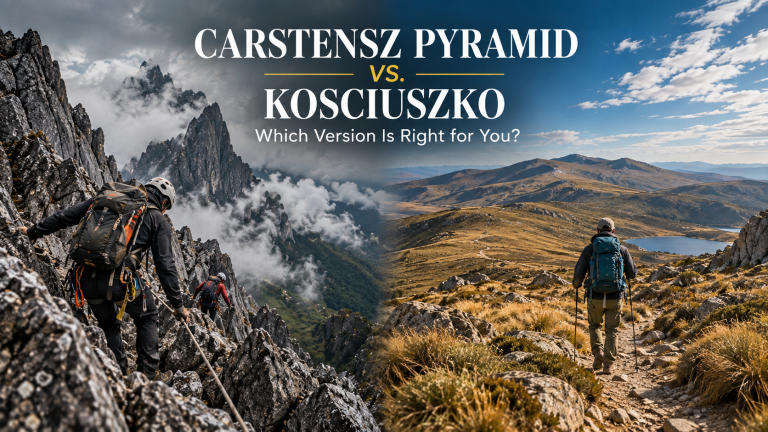
- Carstensz Pyramid or Mount Kosciuszko – Australia/Oceania
Two versions of the challenge exist because some climbers consider Carstensz Pyramid the true continental high point of Oceania, while others follow the Mount Kosciuszko version.
Seven Summits Difficulty & Cost Comparison
| Mountain | Elevation | Difficulty | Technical Climbing | Estimated Cost |
|---|---|---|---|---|
| Kilimanjaro | 19,340 ft | Moderate | No | $2,500–$6,000 |
| Elbrus | 18,510 ft | Moderate | Some | $3,000–$7,000 |
| Aconcagua | 22,838 ft | Hard | Minimal | $5,000–$10,000 |
| Denali | 20,310 ft | Very Hard | Yes | $10,000–$20,000 |
| Everest | 29,032 ft | Extreme | Yes | $45,000–$100,000+ |
| Vinson Massif | 16,050 ft | Hard | Moderate | $45,000–$60,000 |
| Carstensz Pyramid | 16,024 ft | Advanced | Yes | $15,000–$30,000 |
The total cost of completing all Seven Summits often exceeds $100,000, depending on guide services, travel, equipment, permits, and expedition logistics.
Which Seven Summit Is the Best Place to Start?
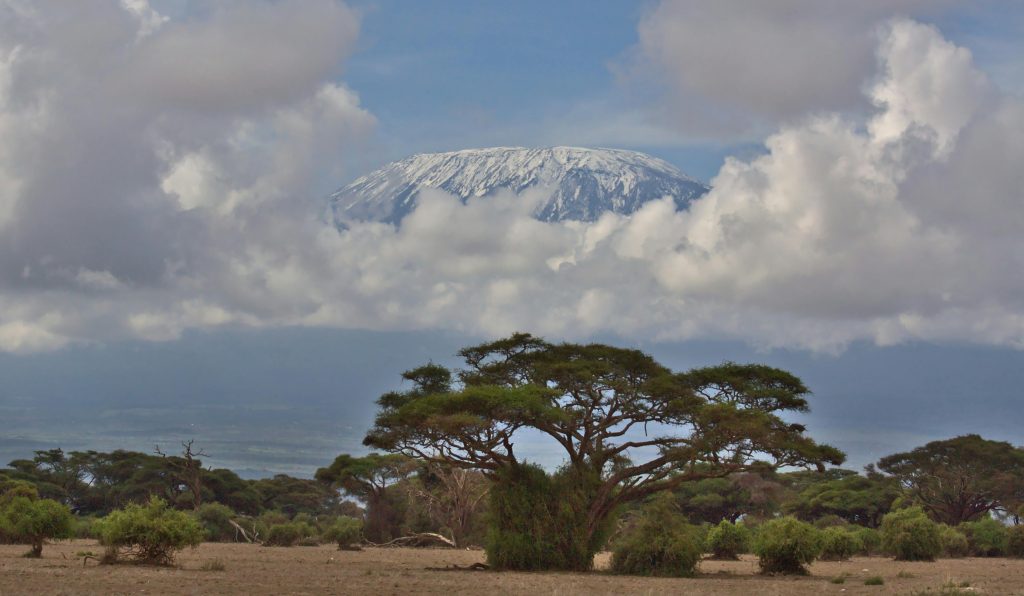
For many climbers, Mount Kilimanjaro is considered the ideal first Seven Summits expedition.
Why?
Non-Technical Climbing
Unlike Everest or Denali, Kilimanjaro does not require ropes, glacier travel, or advanced mountaineering experience.
Real High-Altitude Experience
At 19,340 ft (5,895 m), Kilimanjaro gives climbers valuable exposure to altitude and expedition pacing.
Confidence Building
For many adventurers, summiting Kilimanjaro becomes the experience that inspires them to pursue larger mountaineering goals.
Accessible Logistics
Compared to many Seven Summits expeditions, Kilimanjaro is more affordable and simpler logistically while still offering a world-class climbing experience.
Can Beginners Climb the Seven Summits?
Many climbers begin the Seven Summits journey without technical mountaineering experience. However, most build experience progressively over time.
A common progression looks like this:
Starting Peaks
- Mount Kilimanjaro
- Mount Elbrus
Intermediate Goals
- Aconcagua
Advanced Objectives
- Denali
- Mount Everest
Beginning with Kilimanjaro allows climbers to gain valuable experience with altitude, endurance, and expedition preparation before tackling more technical mountains.
What Makes the Seven Summits So Challenging?
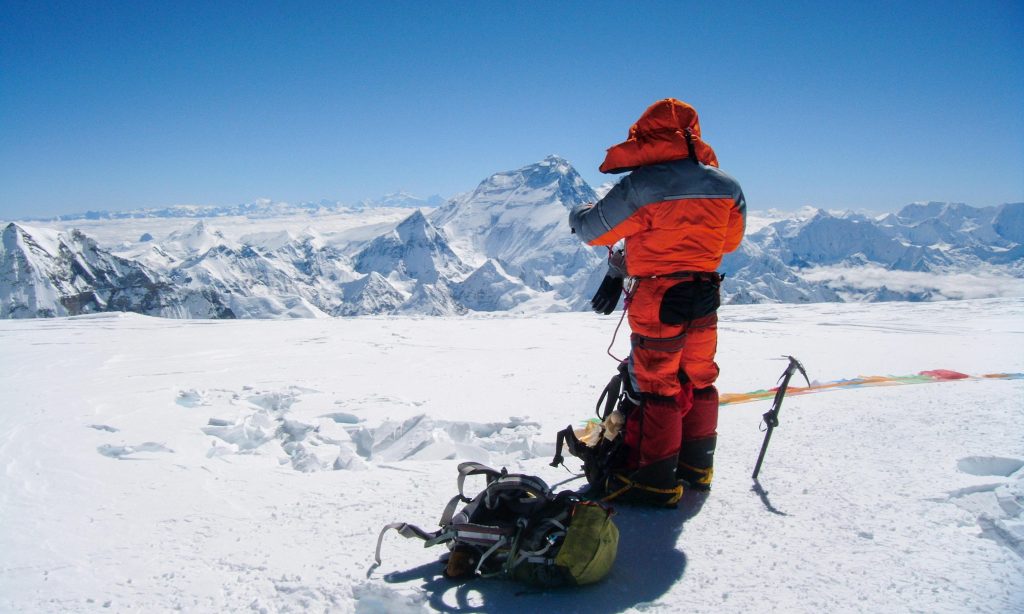
Each mountain presents different obstacles. Some of the most common challenges include:
- High altitude
- Extreme cold
- Glacier travel
- Technical climbing
- Harsh weather
- Expedition logistics
- Long summit days
- Mental endurance
Even non-technical mountains like Kilimanjaro require serious preparation and respect for altitude.
Preparing for Your First Seven Summits Expedition
Training and preparation play a major role in summit success. Most climbers focus on:
Cardiovascular Endurance
Long hikes, stair climbing, and aerobic conditioning help prepare for multi-day trekking.
Strength Training
Leg strength and core stability become important during long summit days.
Gear Preparation
Layering systems, proper footwear, and cold-weather clothing are essential for comfort and safety.
Altitude Awareness
Understanding acclimatization and pacing is critical for high-altitude climbs like Kilimanjaro.
Why Many Climbers Begin Their Journey With Climb Kili
At Climb Kili, we specialize in helping climbers prepare for one of the world’s most iconic high-altitude adventures.
Our expeditions include:
- Experienced TNPA-certified guides
- Small group sizes for personalized support
- Daily health monitoring and oxygen checks
- Strong acclimatization-focused itineraries
- KPAP-certified ethical porter practices
- Direct communication throughout planning
Whether Kilimanjaro is your first summit or part of a larger Seven Summits dream, our team is committed to helping you climb safely and confidently.
FAQs About the Seven Summits
What is the hardest Seven Summit?
Mount Everest is widely considered the hardest due to extreme altitude and technical climbing. Many climbers also consider Denali one of the most physically demanding.
Which Seven Summit is easiest?
Mount Kosciuszko is generally considered the physically easiest, while Mount Kilimanjaro is often viewed as the best first true expedition-style climb.
How long does it take to complete the Seven Summits?
Some climbers finish within a few years, while others spend decades pursuing all seven peaks.
Do you need technical climbing experience for Kilimanjaro?
No. Kilimanjaro is a non-technical trekking mountain, though altitude remains a serious challenge.
Every Seven Summits Journey Starts Somewhere
Very few mountaineers begin their journey on Everest. Most start by building confidence, experience, and resilience one climb at a time.
For many adventurers, that first major summit is Kilimanjaro.
Standing on the Roof of Africa often becomes the moment climbers realize they are capable of far more than they imagined and for some, it marks the beginning of a lifelong pursuit of the Seven Summits.