When people hear “Seven Summits,” the conversation usually starts with Everest.
Then come Denali, Aconcagua, Kilimanjaro and perhaps Elbrus. But there is one summit that rarely gets the same attention: Vinson Massif, the highest mountain in Antarctica.
At 4,892 meters (16,050 feet), Vinson is not the highest of the Seven Summits. It is not generally considered the most technically difficult either. Yet climbing Vinson presents something the other peaks cannot: an expedition into one of the most remote, cold and isolated environments on Earth.
For climbers pursuing the Seven Summits, Vinson is often the mountain that makes the journey feel like a true expedition.
Where Is Vinson Massif?
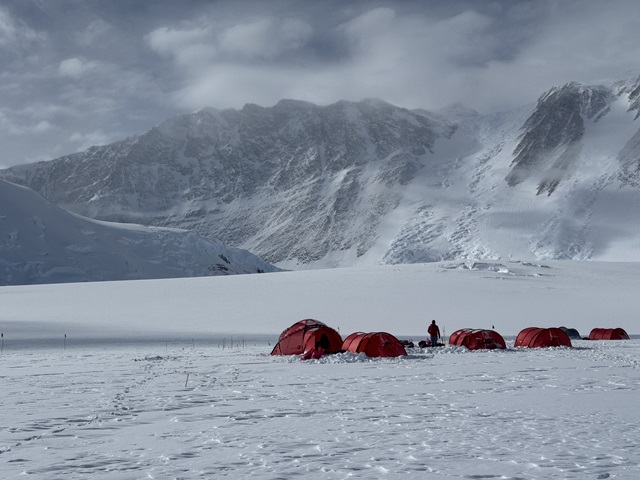
Vinson Massif is located in the Sentinel Range of Antarctica’s Ellsworth Mountains.
Its remote location is a major part of the challenge.
There are no towns or conventional mountain roads waiting at the base. Access requires specialized expedition logistics, including travel into Antarctica and onward transportation to the mountain.
That isolation changes the entire experience.
On many famous mountains, climbers encounter established trekking routes, villages, lodges or large expedition communities. Vinson feels different. The landscape is dominated by ice, snow, wind and enormous Antarctic wilderness.
It is one of the clearest examples of how mountain difficulty isn’t always about elevation.
Why Doesn’t Vinson Get More Attention?
Part of the answer is simple: Everest has become synonymous with high-altitude mountaineering.
Everest is 8,849 meters high, making it almost 4,000 meters higher than Vinson. It has a massive global profile, decades of expedition history and widespread media coverage.
Vinson is much quieter.
There are fewer climbers, fewer spectators and almost none of the infrastructure associated with the world’s most famous mountains.
That can make it easy to overlook when discussing the Seven Summits.
But for climbers actually standing on the summit, the mountain’s remoteness is difficult to ignore.
What Makes the Vinson Massif Climb Challenging?
Vinson is often described as a technically moderate mountain, but that doesn’t mean it is easy.
The challenge comes from a combination of factors.
Extreme Cold
Antarctica is one of the coldest environments on Earth, and temperatures can become severe during an expedition.
Cold affects everything from exposed skin and hydration to equipment and basic camp routines. Climbers must be prepared to function efficiently while wearing substantial protective clothing.
Remote Logistics
Getting to Vinson is an expedition in itself.
Weather can affect flights and transportation, while the mountain’s location means there are limited options if plans change.
This makes flexibility essential.
A climber can be physically prepared and still need patience when Antarctic weather determines the schedule.
High-Altitude Terrain
Although Vinson’s elevation is lower than several other Seven Summits, 4,892 meters is still high enough for altitude to matter.
Acclimatization remains an important part of the expedition, and climbers need to pay attention to how their bodies respond as they gain elevation.
Antarctic Weather
Weather can change quickly in extreme environments.
Wind and cold can transform an otherwise manageable section of the route into a much more serious situation. Expedition teams must make decisions based on current conditions rather than simply following a predetermined schedule.
What Is the Vinson Massif Experience Like?
One of the most striking aspects of climbing Vinson is the environment.
The mountain rises above a vast Antarctic landscape where the scale can be difficult to comprehend. Snow and ice stretch across the horizon, and there is little of the visual clutter found around more accessible mountains.
The silence is part of the experience.
So is the sense of isolation.
Instead of moving through villages or forests toward a summit, climbers travel through an enormous polar environment where the mountain itself becomes the center of the expedition.
For a Seven Summits climber, that contrast can be just as memorable as reaching the top.
How Does Vinson Compare With Other Seven Summits?
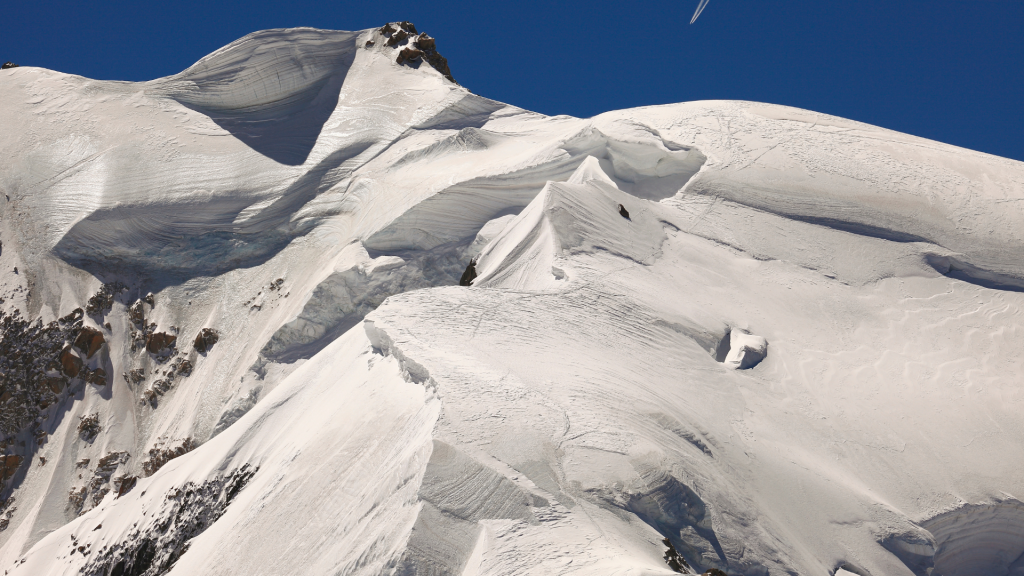
Vinson occupies an interesting position among the Seven Summits.
It is significantly higher than Kilimanjaro, but lower than Aconcagua, Denali and Everest. Its technical demands are different from those of peaks such as Carstensz Pyramid.
What distinguishes it most is environment and logistics.
Kilimanjaro is famous for its trekking routes and dramatic ecological zones. Aconcagua introduces high-altitude expedition trekking in the Andes. Denali combines altitude, cold, glacier travel and self-supported expedition skills.
Vinson brings those expedition characteristics into Antarctica.
That makes it difficult to judge the Seven Summits simply by asking which mountain is “hardest.”
Each mountain tests something different.
When Is the Best Time to Climb Vinson?
The climbing season is closely tied to Antarctica’s short austral summer.
Expeditions generally take place during the Antarctic climbing season, when conditions allow access to the mountain and sufficient daylight makes climbing possible.
Even during the climbing season, however, Antarctica remains an extreme environment.
Weather can affect flights, schedules and summit attempts. Climbers should expect expedition timelines to have some flexibility rather than treating the itinerary like a conventional vacation.
That is an important part of preparing for Vinson.
Who Should Consider Climbing Vinson?
Vinson is typically a better fit for climbers who are already comfortable with expedition-style environments and understand that logistics are part of the challenge.
It can be particularly appealing to Seven Summits climbers who want:
- A remote Antarctic expedition
- A high-altitude mountain without the crowds of Everest
- Experience climbing in extreme cold
- A major milestone toward the Seven Summits
- The chance to experience one of Earth’s most isolated mountain environments
The mountain should still be approached seriously. Appropriate clothing, equipment, physical preparation and expedition experience all matter.
The Seven Summits Are About More Than Height
Vinson Massif is a good reminder that the Seven Summits are not simply a collection of the world’s tallest mountains.
They are seven very different mountain experiences.
Some are defined by altitude. Others by technical climbing. Others by weather, remoteness, glaciers or logistics.
Vinson’s defining characteristic may be its environment.
Standing on Antarctica’s highest mountain means reaching a summit surrounded by an enormous frozen wilderness, far removed from the crowds and infrastructure found on more famous peaks.
That may be why Vinson doesn’t receive the same attention as Everest.
And perhaps that’s part of its appeal.
For climbers working toward the Seven Summits, the Vinson Massif climb is not just another box to check. It is an opportunity to enter one of the most extreme mountain environments on the planet—and discover why some of the most memorable summits are the ones people talk about the least.
FAQ
How high is Vinson Massif?
Vinson Massif reaches approximately 4,892 meters (16,050 feet), making it the highest mountain in Antarctica.
Is Vinson Massif one of the Seven Summits?
Yes. Vinson Massif is the recognized highest peak of Antarctica and is included in the standard Seven Summits lists.
Is Vinson Massif harder than Everest?
The mountains present very different challenges, so elevation alone does not provide a meaningful comparison. Vinson is lower than Everest but involves extreme cold and remote Antarctic expedition logistics.
Do you need technical climbing experience for Vinson?
Vinson is generally considered technically moderate compared with some major expedition peaks, but climbers still need appropriate preparation and should be comfortable with the demands of a high-altitude, cold-weather expedition.
Why climb Vinson Massif?
For many Seven Summits climbers, the attraction is the combination of Antarctica’s remoteness, extreme environment and the opportunity to stand on the highest point of the continent.