Climbing the Seven Summits is one of mountaineering’s greatest achievements, but reaching each continent’s highest peak requires more than fitness and determination—it also requires careful timing. Weather, snow conditions, daylight hours, and seasonal storms can make the difference between a successful summit and a postponed expedition.
Whether you’re planning your first major climb on Mount Kilimanjaro or working toward completing the Seven Summits challenge, understanding the best climbing seasons is essential. This guide breaks down the ideal time to climb each mountain, helping you plan safer, more enjoyable expeditions.
Why Timing Matters on the Seven Summits
Every mountain has a relatively short weather window when climbing conditions are most favorable. During these periods, climbers typically experience:
- More stable weather
- Lower avalanche risk
- Better visibility
- Longer daylight hours (depending on the hemisphere)
- Higher summit success rates
Outside these seasons, severe storms, extreme cold, or heavy snowfall can significantly increase the risks.
1. Mount Kilimanjaro (Africa)
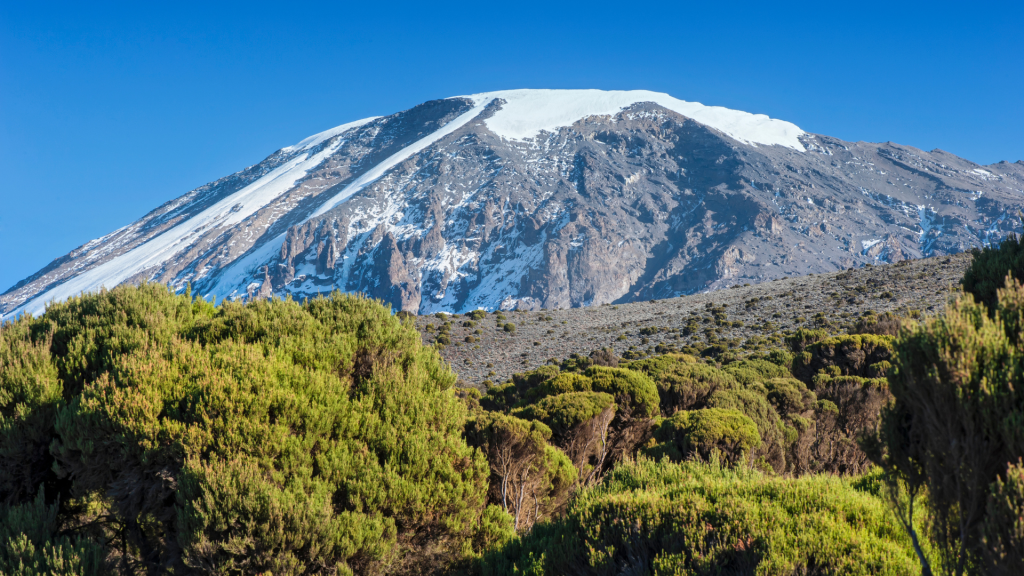
Best Seasons: January–March and June–October
Unlike the other Seven Summits, Mount Kilimanjaro is a non-technical trek, making it the perfect introduction to high-altitude mountaineering.
January to March
- Cooler temperatures
- Fewer crowds
- Higher chance of snow near the summit
- Excellent photography conditions
June to October
- Dry weather
- Clear skies
- Most popular climbing season
- Highest overall summit success rates
Avoid the long rainy season from March through May whenever possible.
Suggested Internal Links
- Best Time to Climb Kilimanjaro
- Kilimanjaro Routes Compared
- How to Prepare for High-Altitude Trekking on Kilimanjaro
Image Alt Text:
“Climbers reaching Uhuru Peak during the best time to climb Kilimanjaro.”
2. Aconcagua (South America)
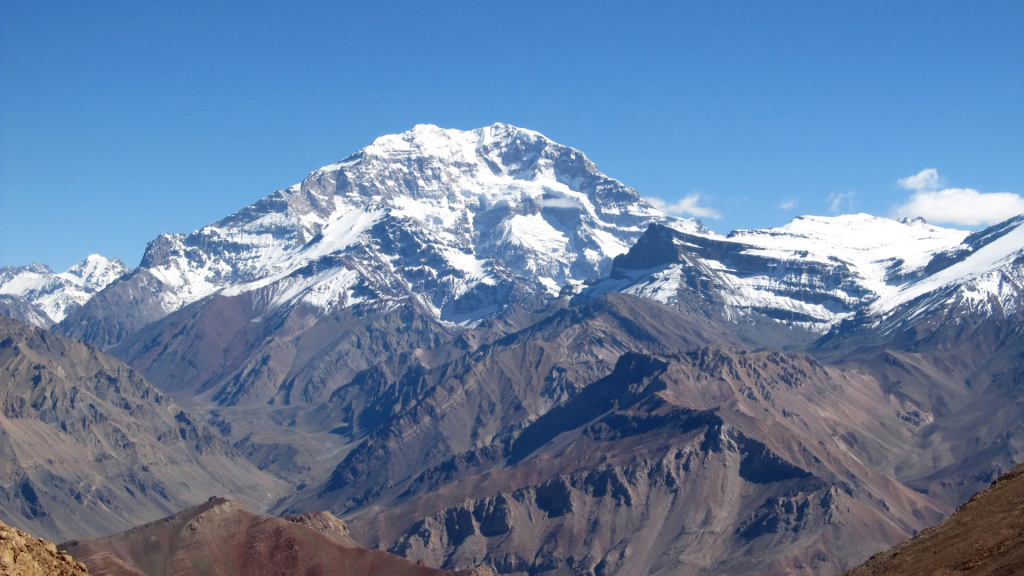
Best Season: December–February
The Southern Hemisphere summer offers the safest conditions for climbing the tallest mountain outside Asia.
During these months you’ll generally find:
- Warmer daytime temperatures
- Less snow accumulation
- Lower avalanche danger
- Easier logistics
High winds can still be a challenge, so flexibility in your itinerary is important.
Image Alt Text:
“Expedition climbing Aconcagua during the summer climbing season.”
3. Denali (North America)
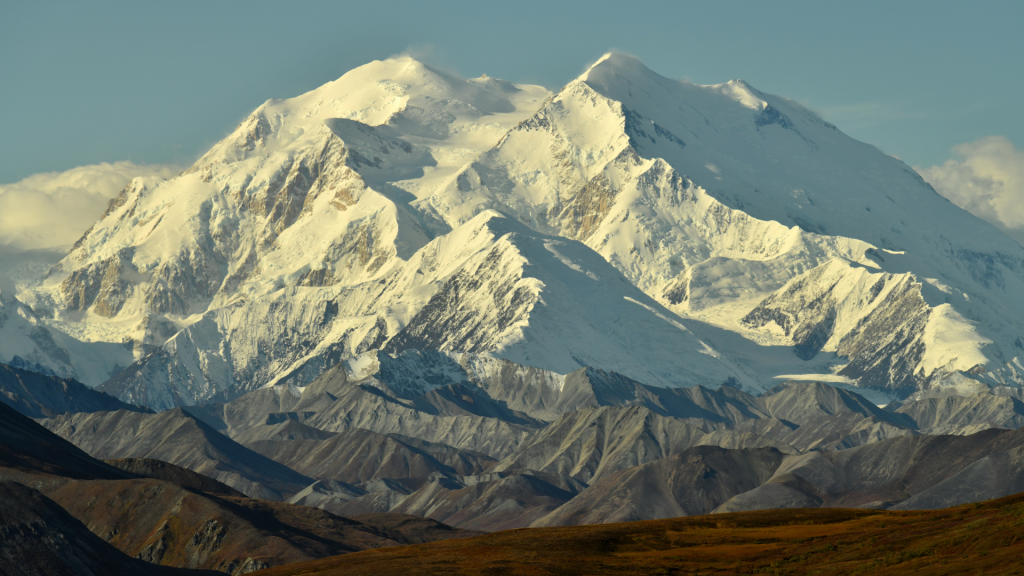
Best Season: Late May–Early July
Denali is one of the most demanding Seven Summits due to its harsh weather and extreme cold.
Why climb during this window?
- Longer daylight hours
- Slightly warmer temperatures
- Better glacier conditions
- More stable weather patterns
Even during peak season, temperatures can fall well below freezing.
4. Mount Elbrus (Europe)
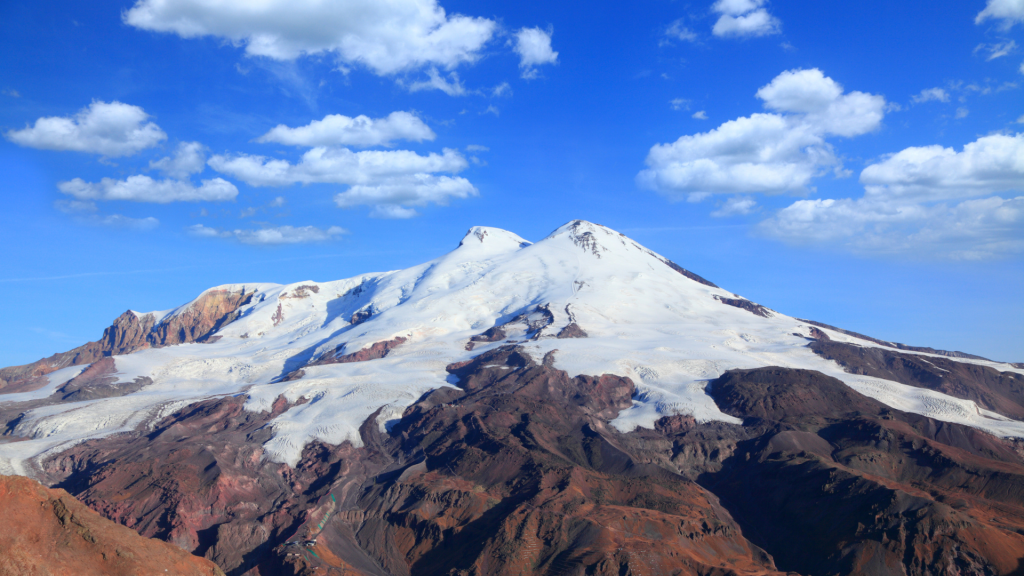
Best Season: July–August
Summer provides:
- Snow-free lower slopes
- More predictable weather
- Easier access to huts
- Longer daylight
Afternoon storms remain common, making early summit starts essential.
Image Alt Text:
“Mount Elbrus climbers ascending during the ideal summer season.”
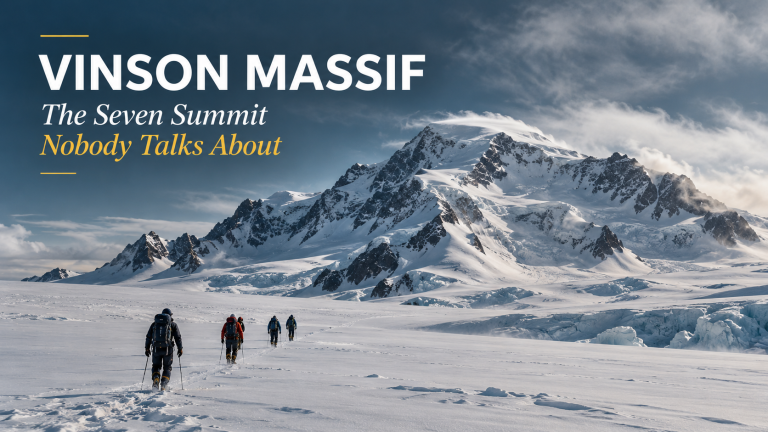
5. Vinson Massif (Antarctica)
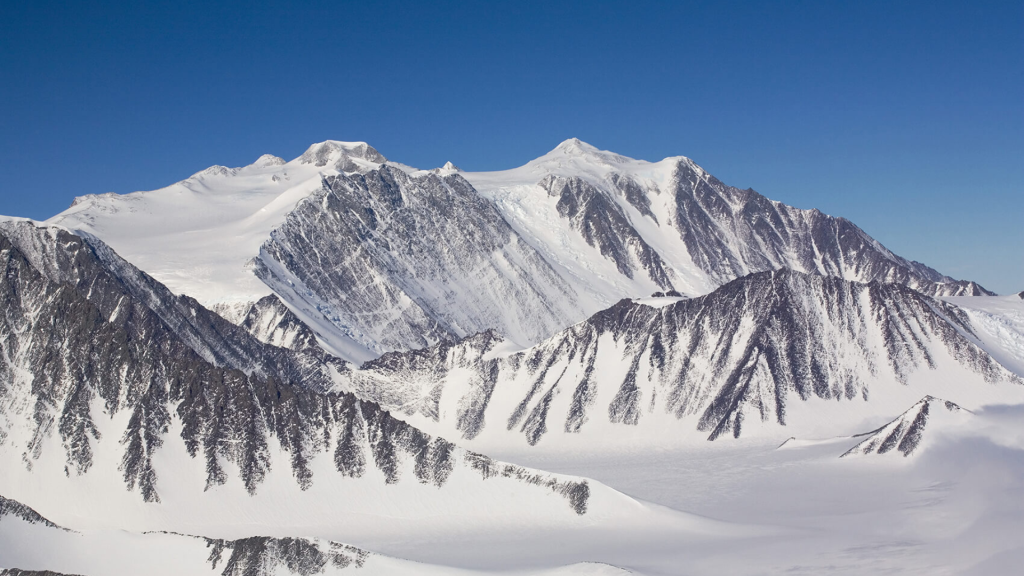
Best Season: December–January
Antarctica’s climbing season occurs during the austral summer when temperatures are at their least extreme.
Benefits include:
- Continuous daylight
- Reduced storm frequency
- More reliable flights
- Better visibility
Despite being “summer,” temperatures commonly remain below -20°C (-4°F).
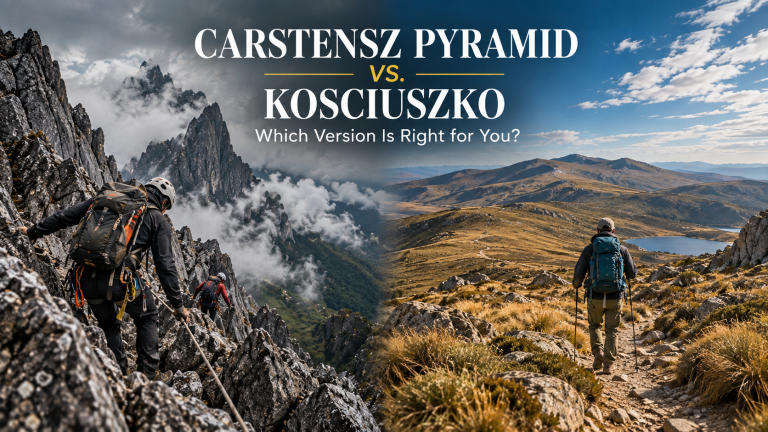
6. Carstensz Pyramid (Oceania)
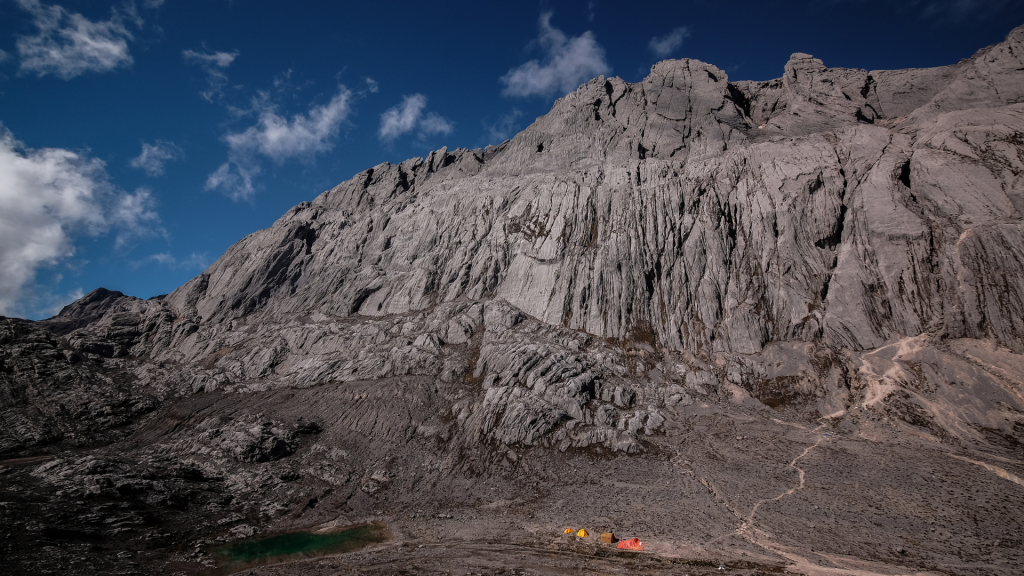
Best Season: September–November
Because Papua experiences tropical weather year-round, there isn’t a perfect climbing season.
However, September through November often offers:
- Slightly lower rainfall
- Better helicopter access
- Improved rock conditions
Weather remains unpredictable, so flexibility is essential.
Image Alt Text:
“Mountaineers climbing Carstensz Pyramid during the dry season.”
7. Mount Everest (Asia)
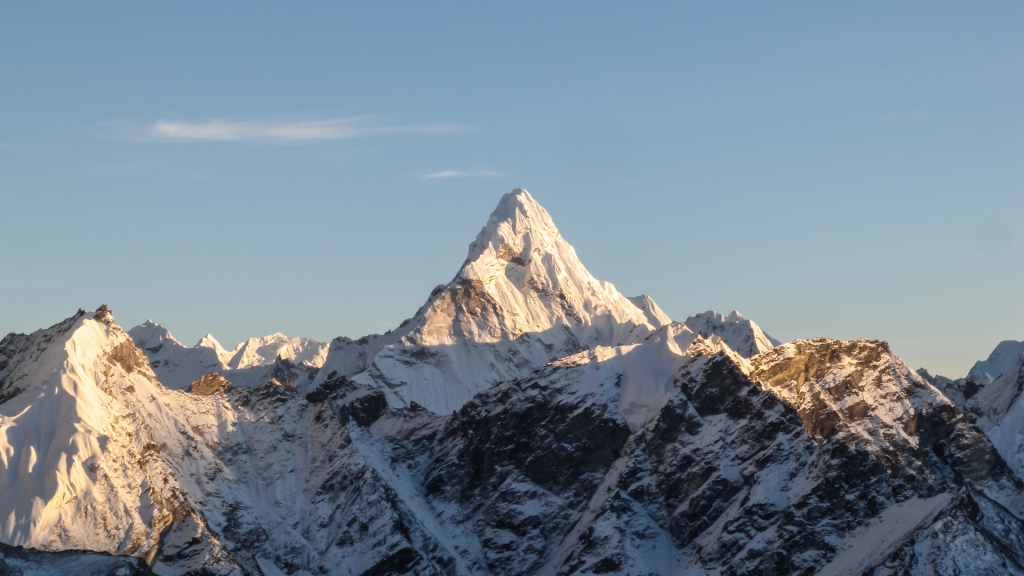
Best Seasons: April–May and September–October
The majority of Everest expeditions target the pre-monsoon season.
Spring (April–May)
- Stable jet stream conditions
- Fixed ropes installed
- Largest number of expeditions
- Best summit opportunities
Autumn (September–October)
Although less common, autumn offers:
- Smaller crowds
- Fresh post-monsoon conditions
- Cooler temperatures
Weather windows are generally shorter than in spring.
Seven Summits Climbing Season at a Glance
| Mountain | Best Time |
|---|---|
| Kilimanjaro | January–March, June–October |
| Aconcagua | December–February |
| Denali | Late May–Early July |
| Elbrus | July–August |
| Everest | April–May, September–October |
| Vinson | December–January |
| Carstensz Pyramid | September–November |
How to Plan Your Seven Summits Journey
Few climbers complete all Seven Summits in one continuous expedition. Most spread the challenge over several years, allowing time to build experience, improve technical skills, and acclimatize progressively.
Many experienced mountaineers begin with Mount Kilimanjaro, followed by Aconcagua or Elbrus before progressing to more technical peaks like Denali and Everest. This gradual approach develops confidence while reducing overall risk.
Working with experienced local operators, choosing the right season, and allowing flexibility for weather delays are all critical parts of successful expedition planning.
Suggested Internal Links
- Seven Summits Challenge Guide
- Why Kilimanjaro Is the Perfect First Seven Summit
- Kilimanjaro Training Plan
Final Thoughts
Every one of the Seven Summits offers a unique adventure, but choosing the right season dramatically improves your chances of success. From Kilimanjaro’s dry seasons to Everest’s narrow spring weather window, proper planning allows you to enjoy safer climbs, better conditions, and unforgettable summit experiences.
If climbing the Seven Summits is on your bucket list, starting with Kilimanjaro is one of the best ways to gain valuable high-altitude experience while beginning an incredible mountaineering journey.