
All required gear on the Seven Summits list is mandatory and will be reviewed during your expedition gear check. Based on mountain conditions, weather, and safety considerations, your guide may recommend leaving certain items behind to optimize performance and success.
There is no single “perfect” gear list for the Seven Summits. Each mountain presents unique challenges, and conditions can change rapidly. Come prepared with all required equipment, and we’ll fine-tune together at the start of each climb.
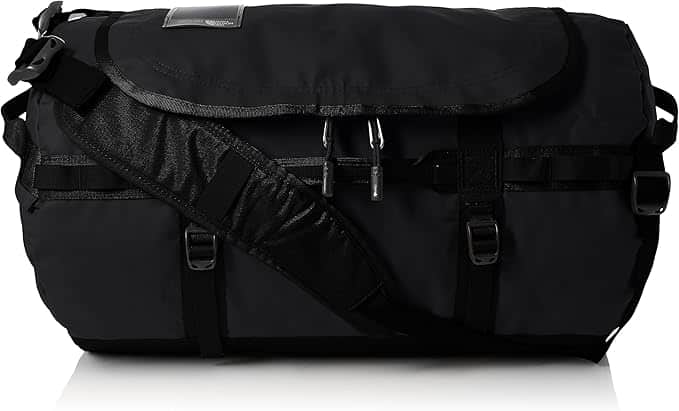
Bring one durable duffel bag (90+ liters) made from rugged materials with heavy-duty zippers. This will serve as your trek duffel, carrying all of your overnight and on-mountain gear, and will be transported by our mountain team between camps. In addition, bring one suitcase to leave at the hotel for extra clothing, travel items, or anything not needed during the climb.
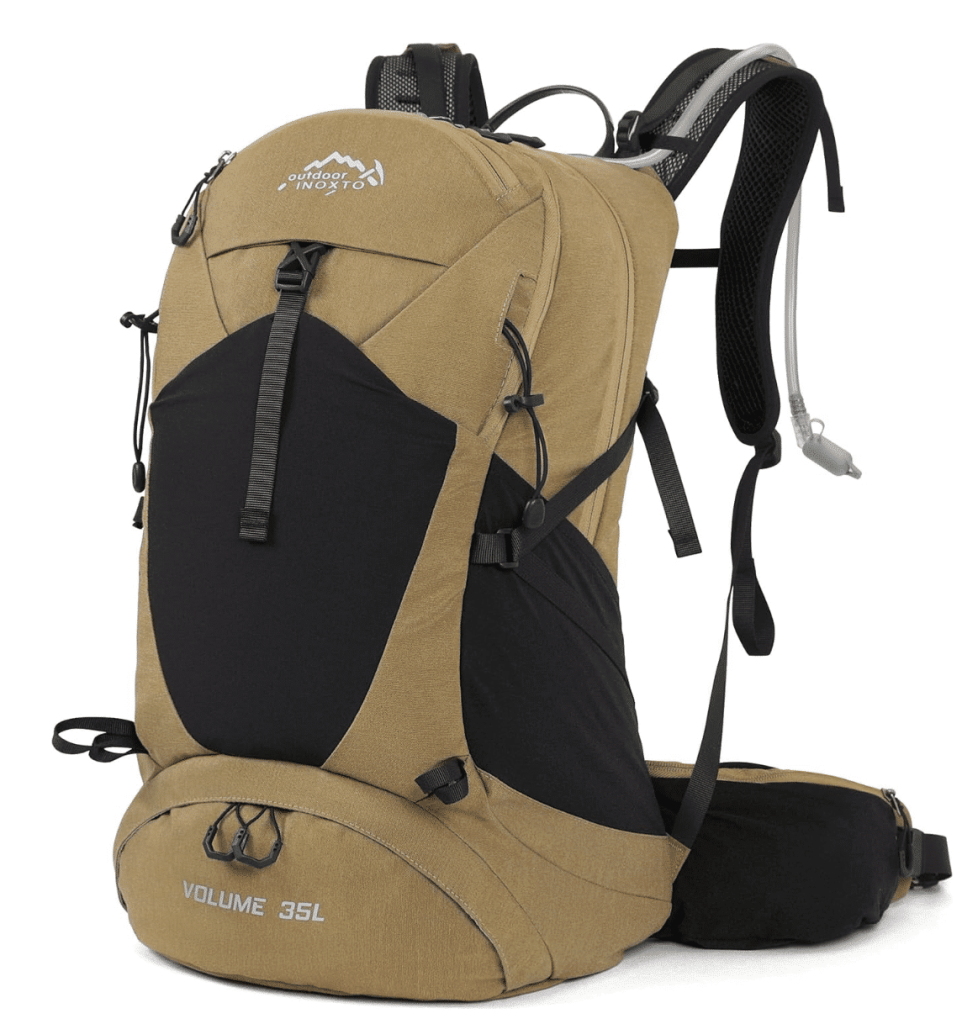
This is the backpack you’ll carry while trekking each day. It should be large enough to hold your personal trail essentials—such as a warm jacket, rain shell, water, snacks, camera, and other small items. It will not need to carry your sleeping bag or extra clothing, as those are transported by our mountain staff. Ideally, this pack can also double as your carry-on during travel or be used while sightseeing.
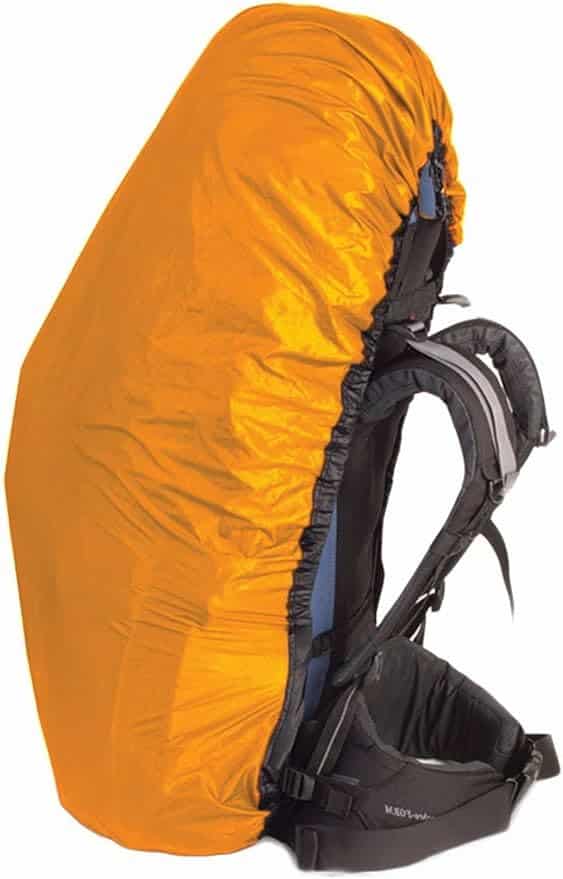
A waterproof cover that protects your daypack from rain and moisture while on the trail. Essential for keeping your gear dry in unpredictable mountain weather.
Bring only what you need, and ensure all items are TSA-compliant for air travel. Travel-sized containers are recommended.

Bring only what you need, and ensure all items are TSA-compliant for air travel. Travel-sized containers are recommended.
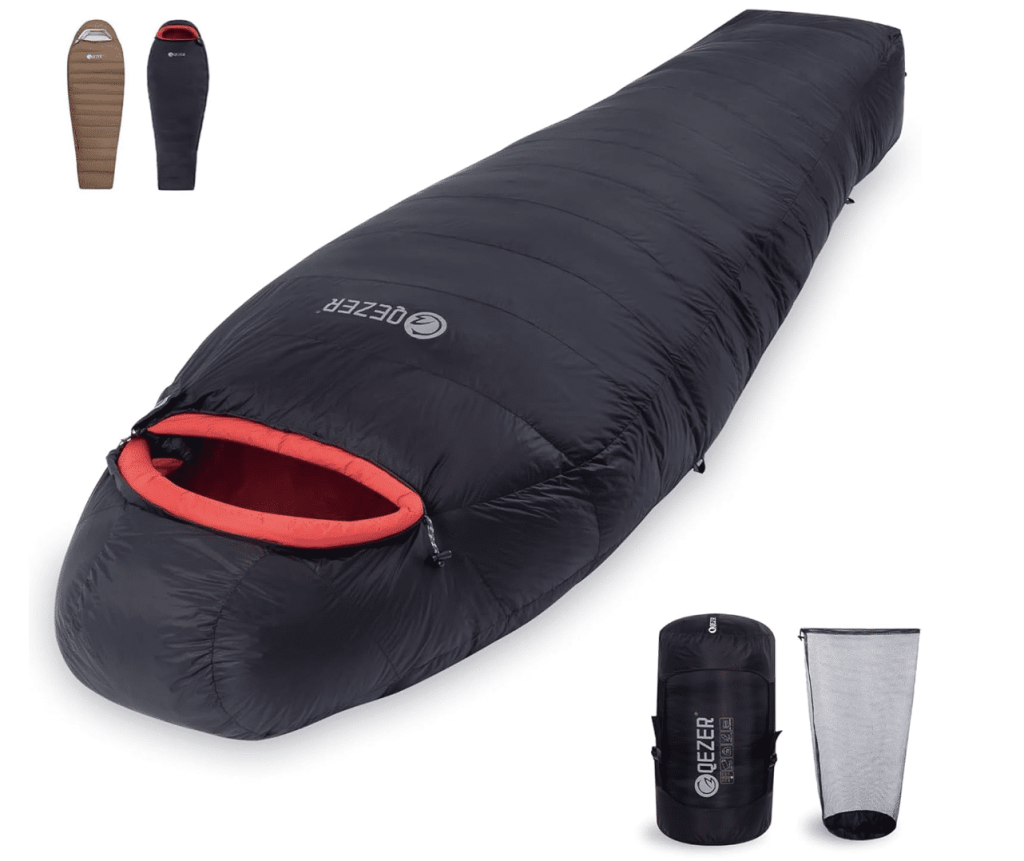
We recommend a bag rated 0°F with enough room to move comfortably. Down insulation is preferred for its superior warmth-to-weight ratio and packability, though high-quality synthetics are acceptable. If you tend to sleep cold, opt for a 0°F bag to ensure comfort on chilly nights.
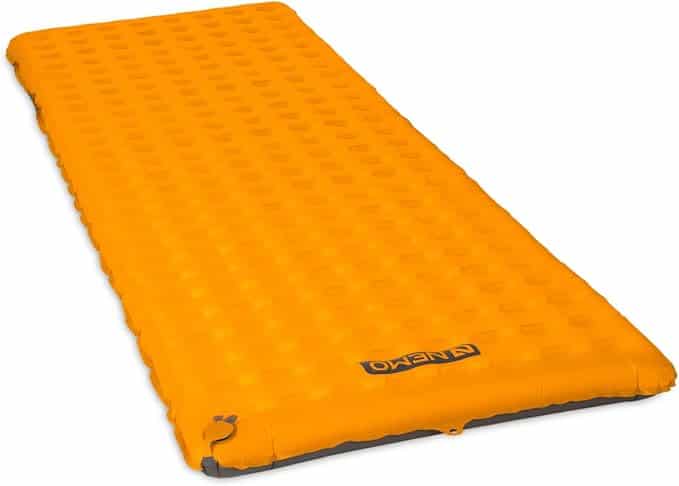
A lightweight, compact sleeping pad provides crucial insulation and comfort on the mountain. Choose a high-quality inflatable model that offers sufficient cushioning and packs down small. This will add warmth beneath your sleeping bag and improve sleep quality throughout the trek.
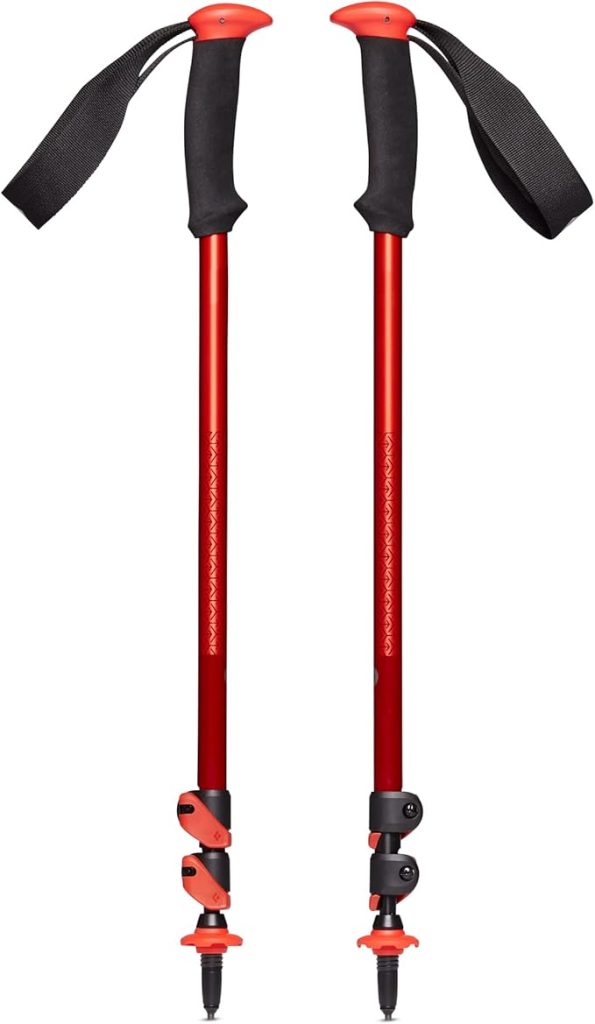
Adjustable trekking poles provide balance, reduce strain on your knees, and improve stability on uneven terrain—especially during descents. Look for lightweight, collapsible models with comfortable grips and durable locking mechanisms. Poles with shock absorption are optional but can add extra comfort on long days.
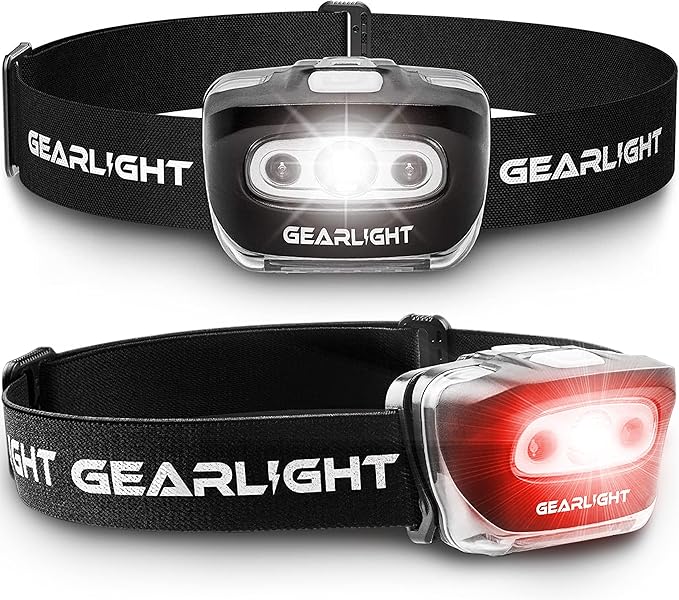
A reliable LED headlamp with fresh batteries (and extras) is essential for early morning starts, summit day, and use around camp after dark. Choose a model with adjustable brightness and a red light mode to preserve night vision. Make sure it’s lightweight, weather-resistant, and comfortable to wear over a hat or hood.
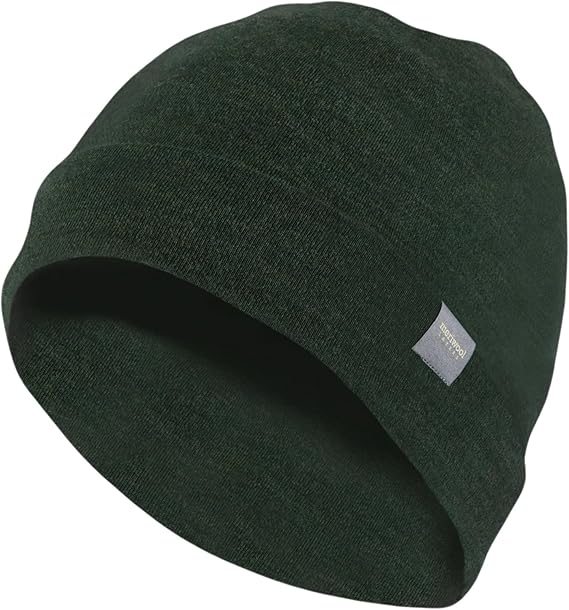
A fleece or wool hat that covers your ears and provides insulation in cold temperatures. This is essential for early morning starts, chilly evenings, and summit day. Choose a hat that fits comfortably under a hood or helmet, and retains warmth even when damp.
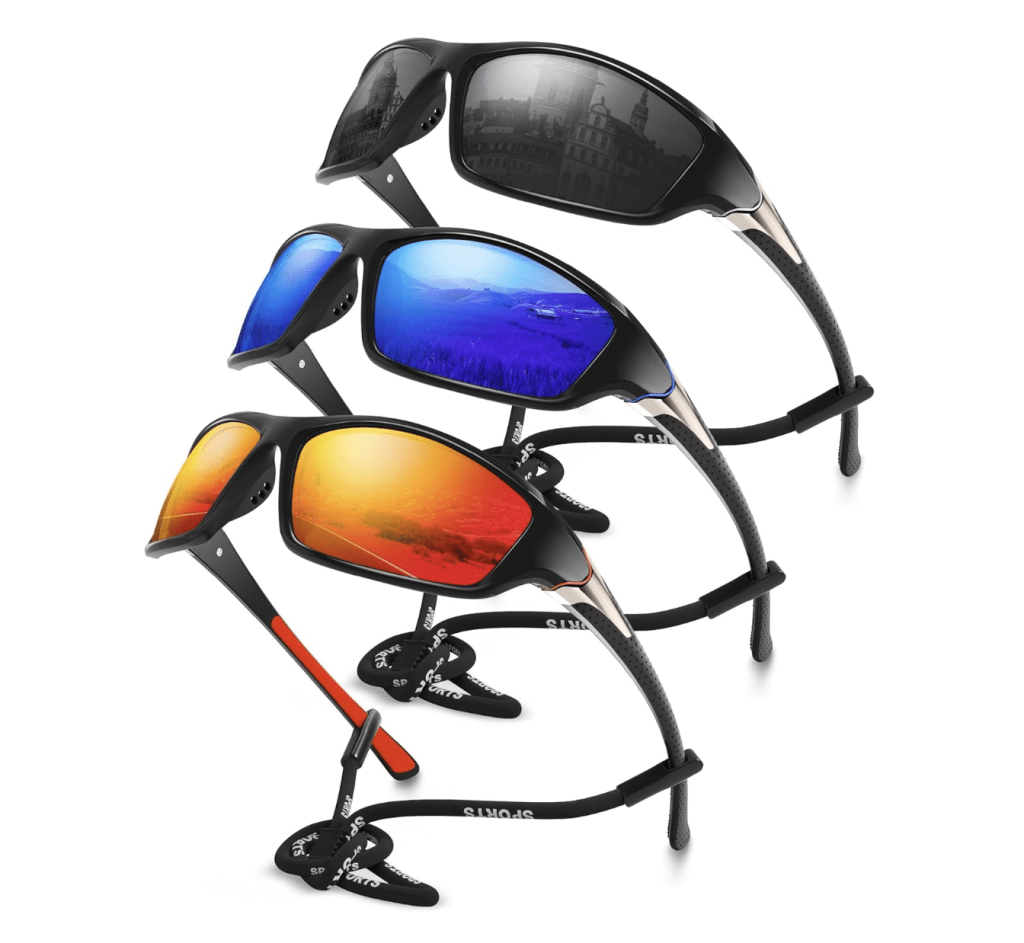
High-quality sunglasses with 100% UV protection and side shields to block intense sunlight and glare at high altitude.
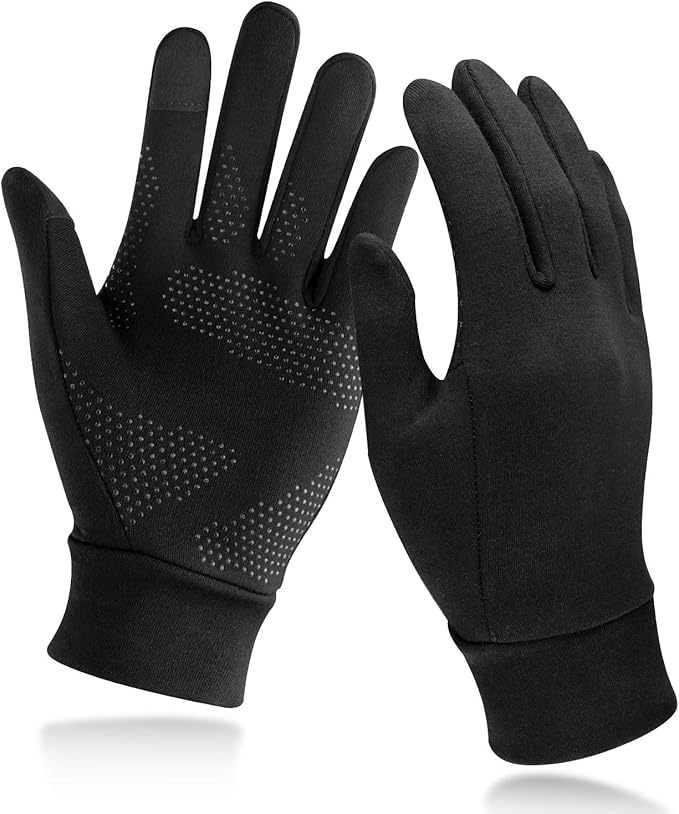
Thin, synthetic or wool gloves that provide basic warmth and protection during mild conditions or while layering under heavier gloves. Ideal for hiking at lower elevations, setting up camp, or taking photos without exposing bare skin. Should be breathable, quick-drying, and allow for good dexterity.
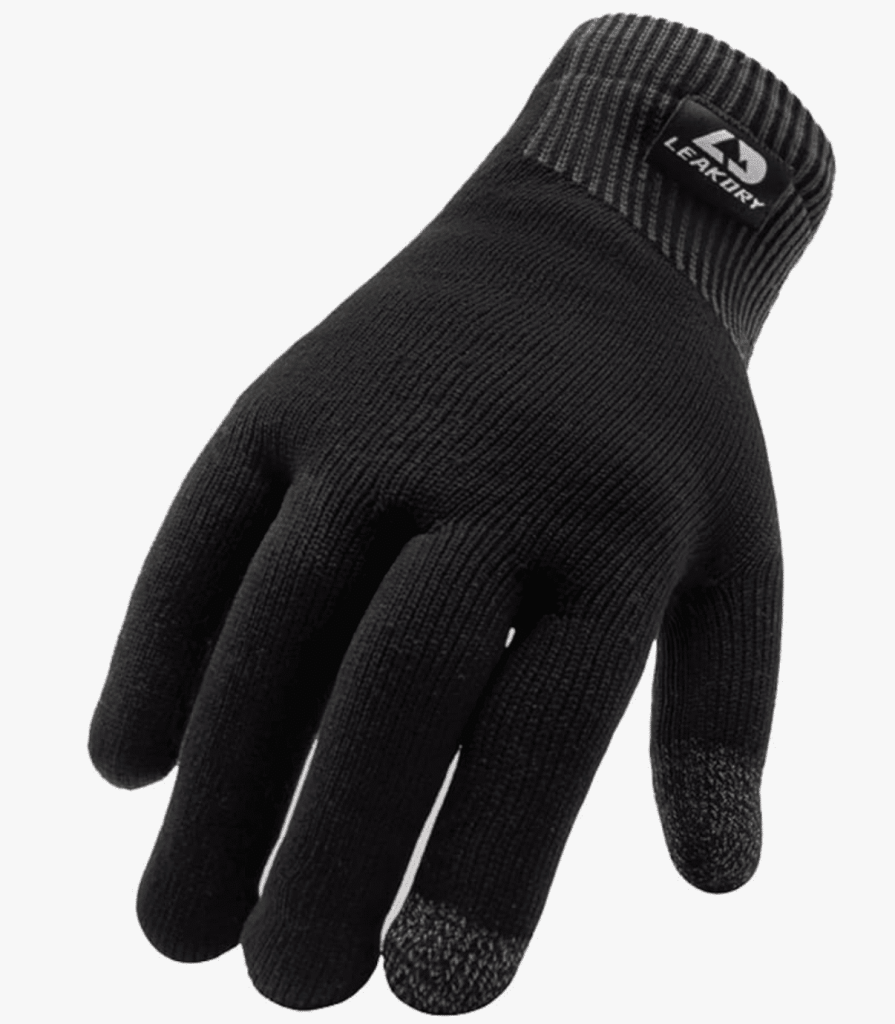
Insulated, weather-resistant gloves designed for colder trekking days and higher elevations. These gloves should offer a good balance of warmth, dexterity, and protection from wind and light moisture. Look for fleece or softshell materials with a snug fit, making them ideal for active use without excessive bulk.
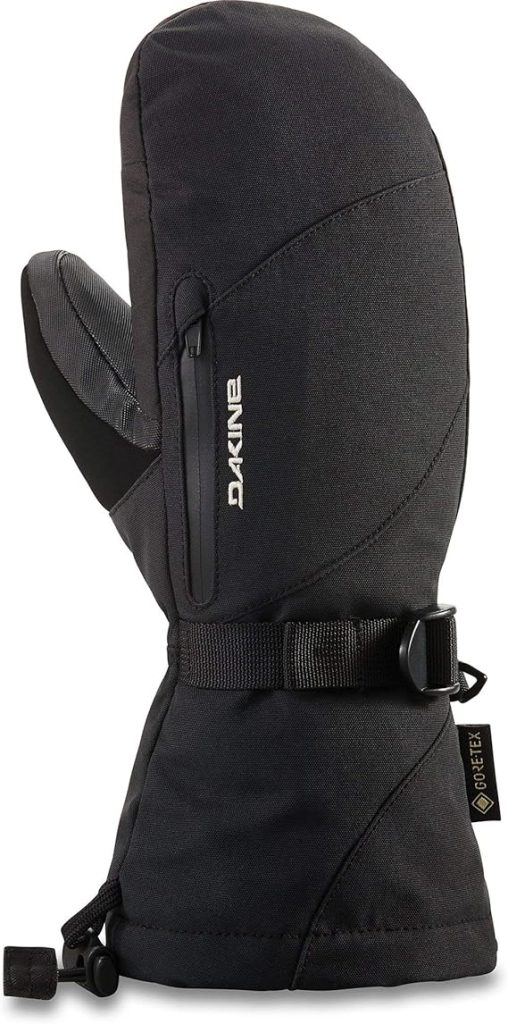
Warm, waterproof insulated mittens designed for extreme cold, wind, and summit conditions. Look for mittens durable outer shells, and high-loft synthetic or down insulation. These provide maximum warmth when layered over lighter gloves and are essential for summit day and cold evenings at higher camps.
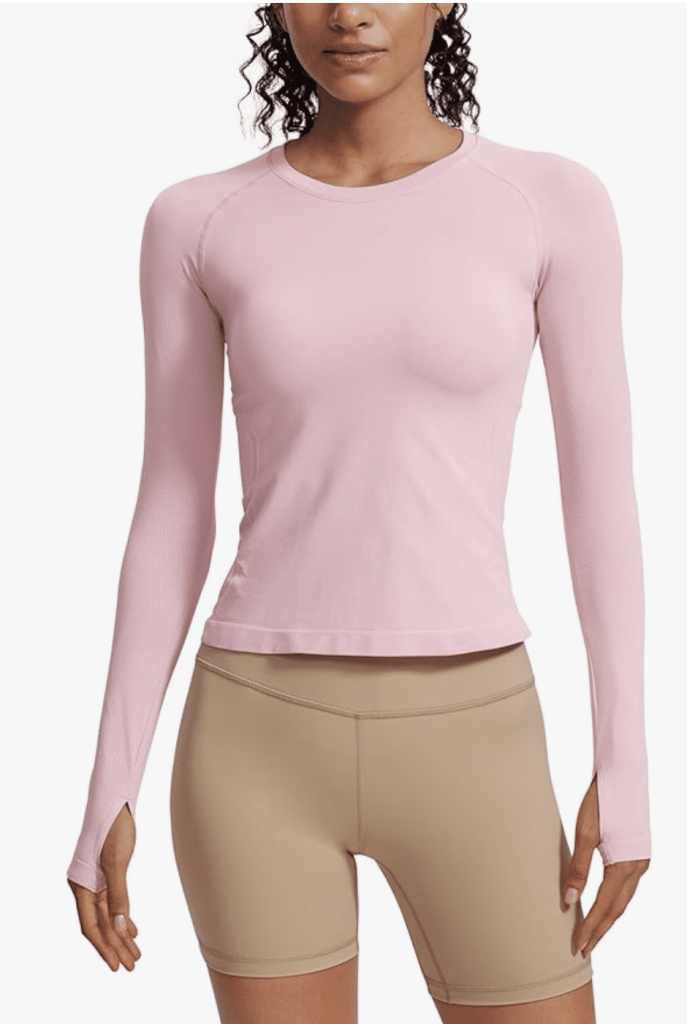
Thin synthetic shirt that provides basic warmth and protection during mild conditions or while layering under heavier layers. Ideal for hiking at lower elevations. Should be breathable, quick-drying, and allow for good dexterity. A mix of both short sleeve and long sleeve options is recommended.
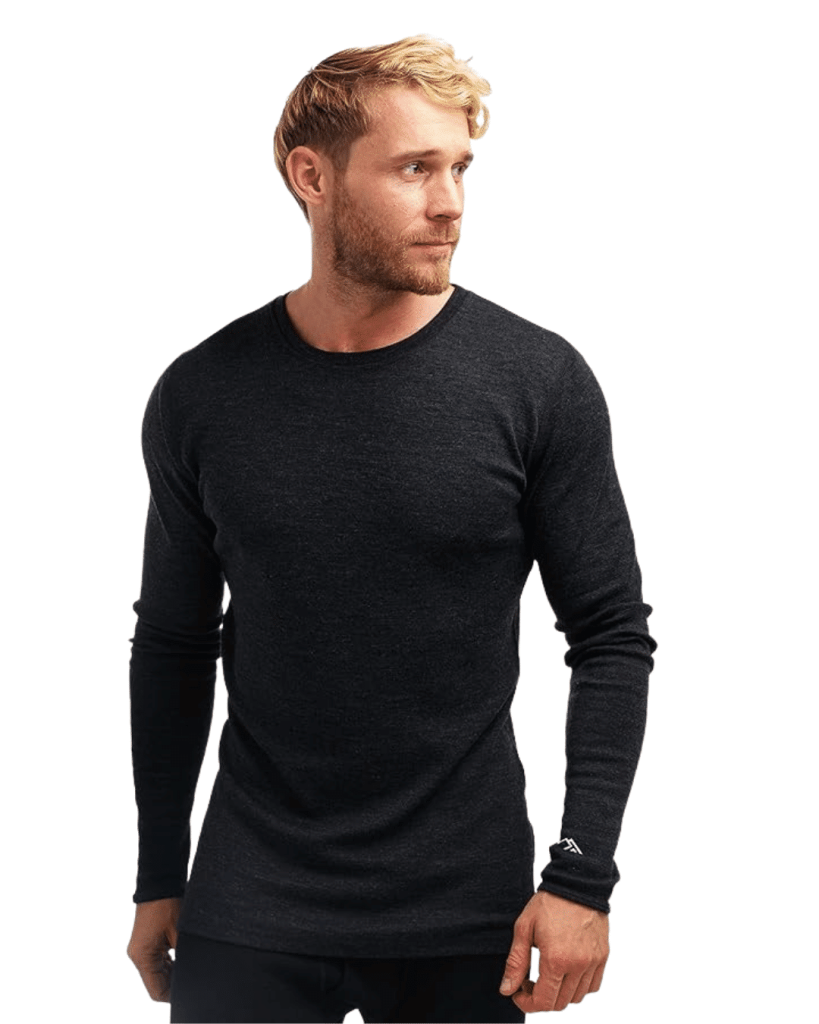
A mid- to heavyweight thermal top, preferably merino wool, worn on summit night only. Provides essential warmth, moisture wicking, and insulation in freezing temperatures.
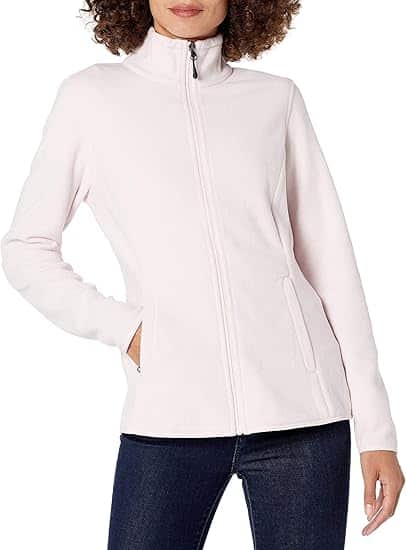
A thin, breathable insulation layer such as a lightweight fleece or synthetic/down jacket. Worn over your base layer, this piece traps body heat without adding bulk, making it ideal for active use in cool conditions. Choose a jacket or pullover that fits comfortably under your outer shell for versatile layering on the mountain.
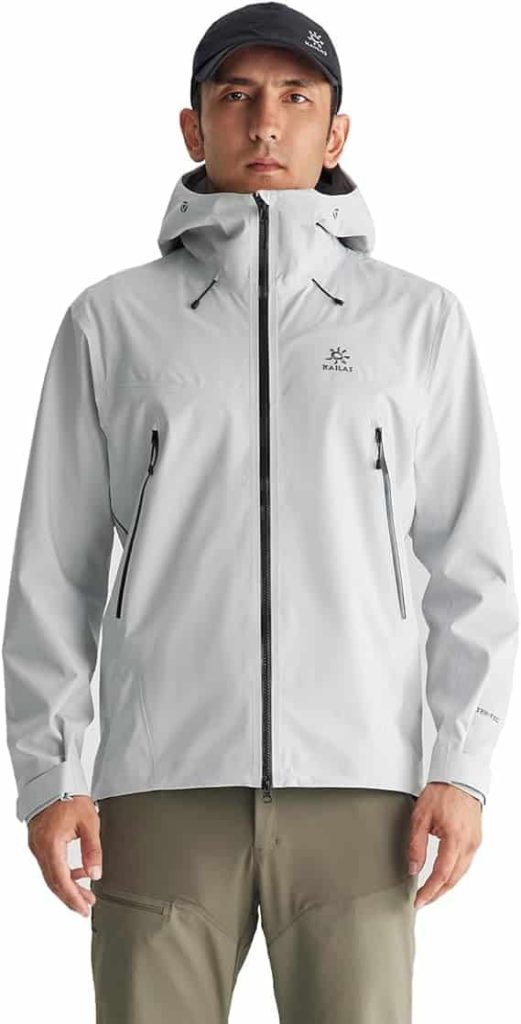
A waterproof, windproof, and breathable outer shell that provides critical protection against rain, snow, and high mountain winds. Must have taped seams, a storm hood, and be durable enough for harsh alpine conditions. Choose a model that fits over your insulating layers without restricting movement. This is a non-negotiable piece for summit day and wet weather.
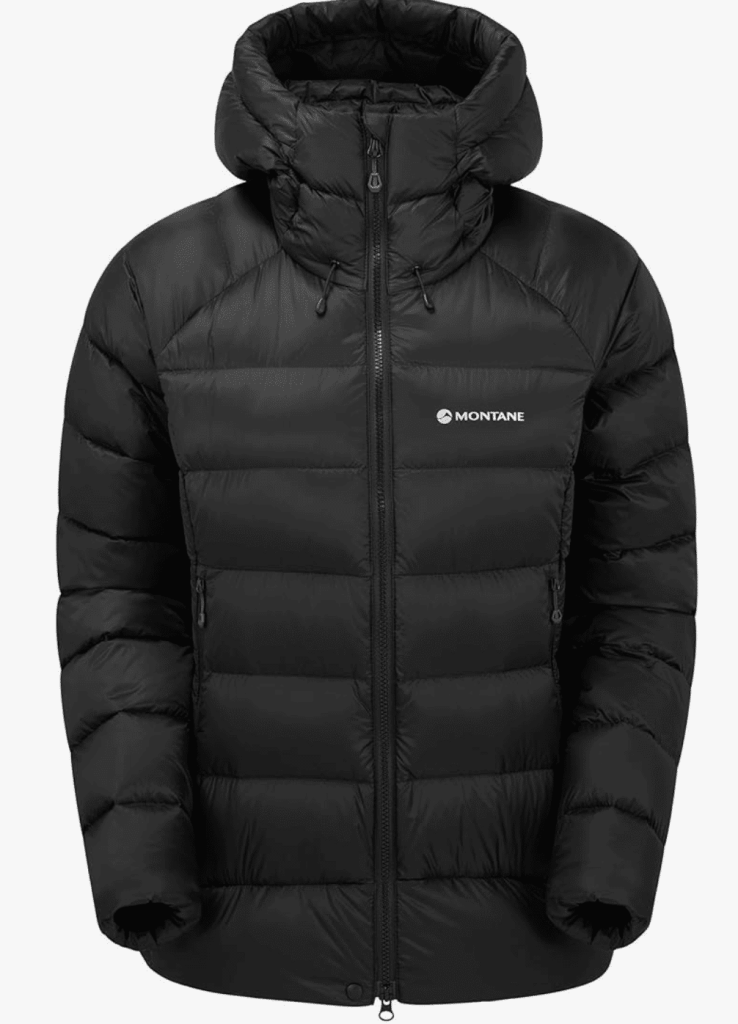
A heavyweight down or synthetic parka with a hood, designed for maximum warmth in freezing conditions. This layer is essential for summit night and cold evenings at camp. Wind resistance is not critical since a hard shell can be worn over the top. Look for compressibility, a longer cut for added coverage, and high-fill insulation (down or synthetic) to ensure high-altitude comfort and protection.
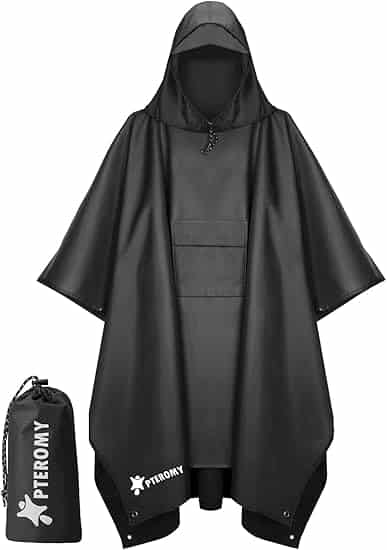
A fully waterproof, windproof, and breathable outer layer designed to shield you from rain, snow, and wet conditions. Look for features like taped seams, a storm hood, adjustable cuffs, and durable construction. It should fit comfortably over insulating layers without restricting movement—essential for staying dry on the trail and summit.
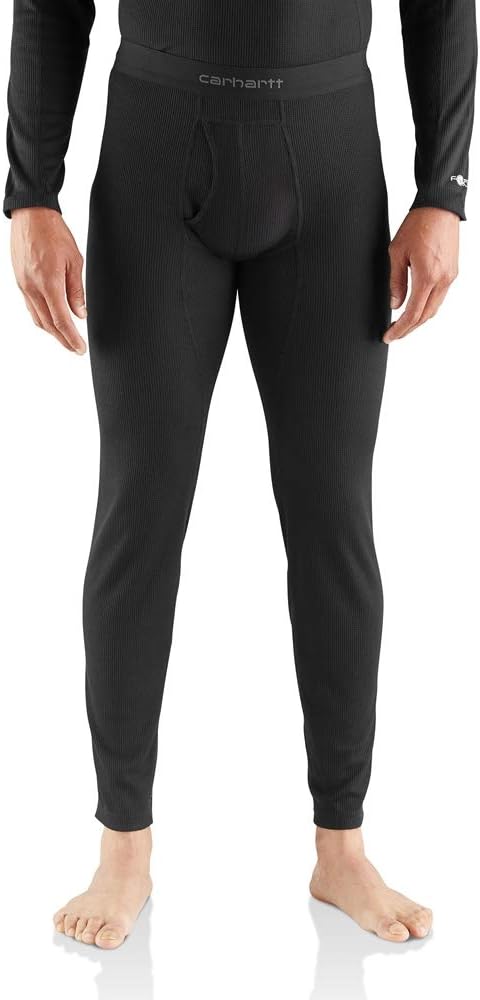
A moisture-wicking wool layer worn next to the skin, designed for summit night. Provides crucial warmth, regulates body temperature, and keeps you dry in freezing conditions. Avoid cotton, as it traps moisture and dries slowly.
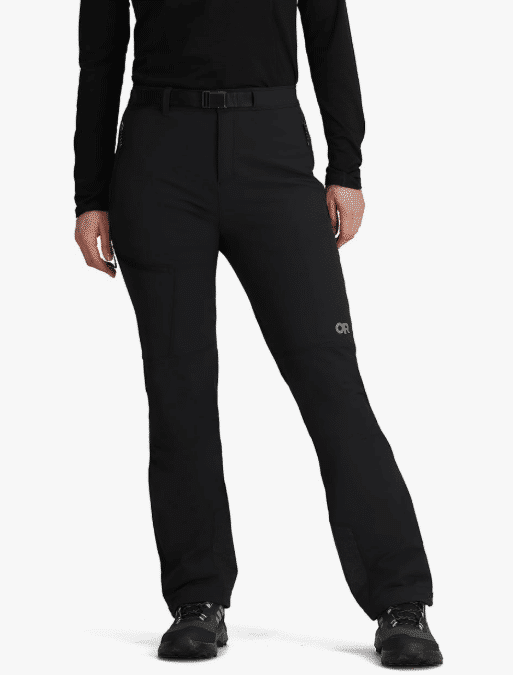
Comfortable, quick-drying synthetic pants or hiking shorts designed for warm-weather trekking at lower elevations. Look for materials that offer breathability, flexibility, and sun protection. Convertible pants (zip-offs) are a great option for added versatility. Avoid cotton, as it retains moisture and dries slowly.
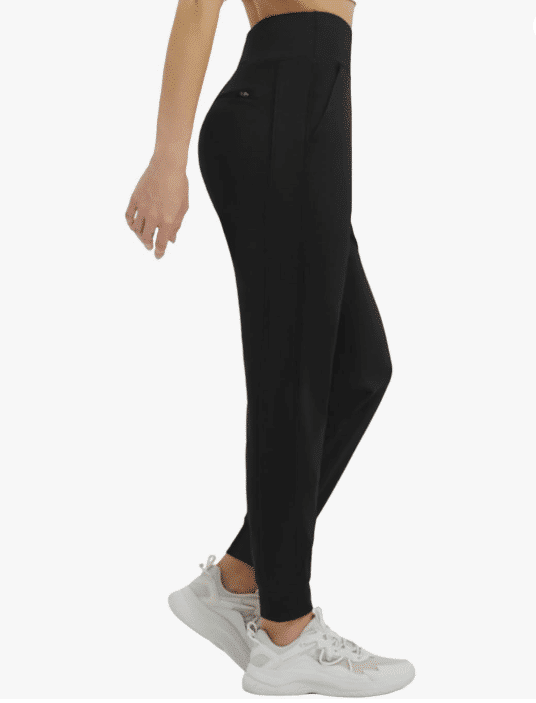
Fleece Pants:
Warm, insulating pants worn over your base layer for added warmth on cold nights, especially during higher elevations and the summit push. Lightweight, breathable, and comfortable for layering under outer shell pants.
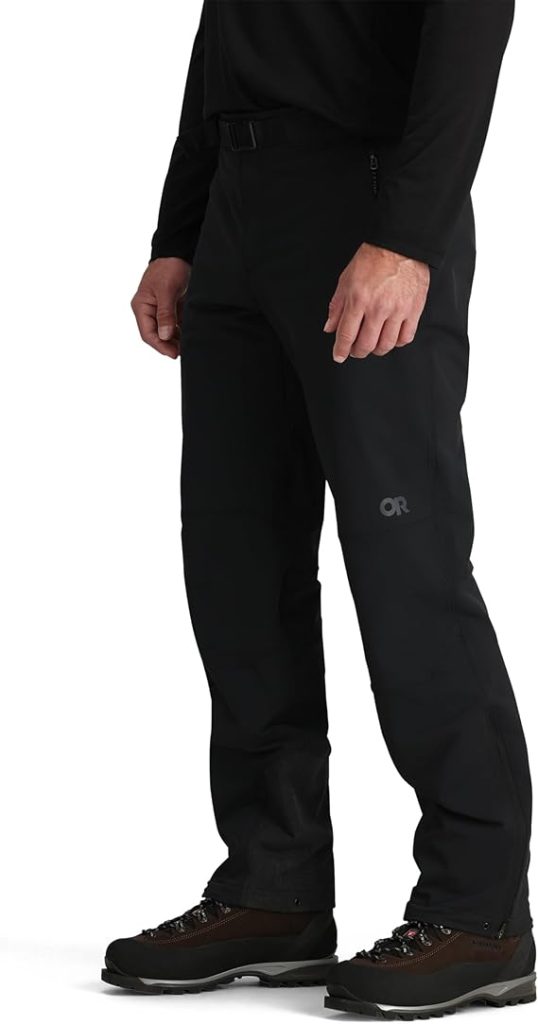
Durable, breathable, and weather-resistant pants designed for trekking in cool to cold conditions. Made from stretch-woven synthetic fabrics, these pants offer excellent mobility, wind resistance, and light water repellency—ideal for high-altitude hiking and summit day. They should layer comfortably over a base layer and under rain pants when needed.
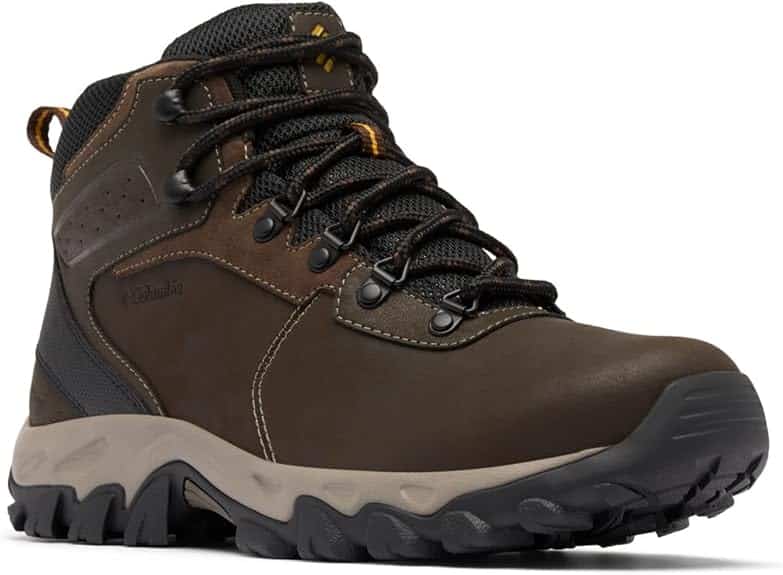
Sturdy, well-broken-in hiking boots with ankle support, durable soles, and waterproof or water-resistant construction. Designed for rough, uneven terrain and long days on your feet. Comfort and fit are critical—test your boots on varied terrain before the climb to avoid blisters.
Note: Pairing boots with gaiters is especially helpful on summit day to keep small rocks out of your shoes.
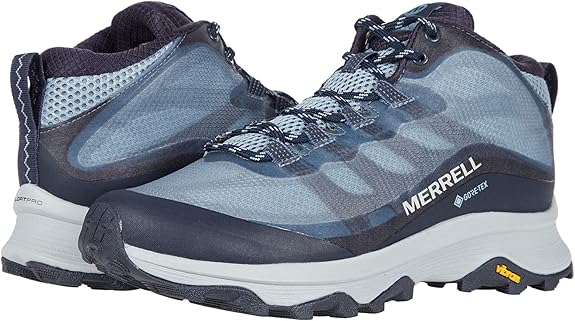
Comfortable, lightweight shoes or sandals for use around the hotel, in transit, or after the trek. These give your feet a break from boots and are ideal for relaxing or sightseeing. Choose something easy to slip on and off, with enough support for walking around town.
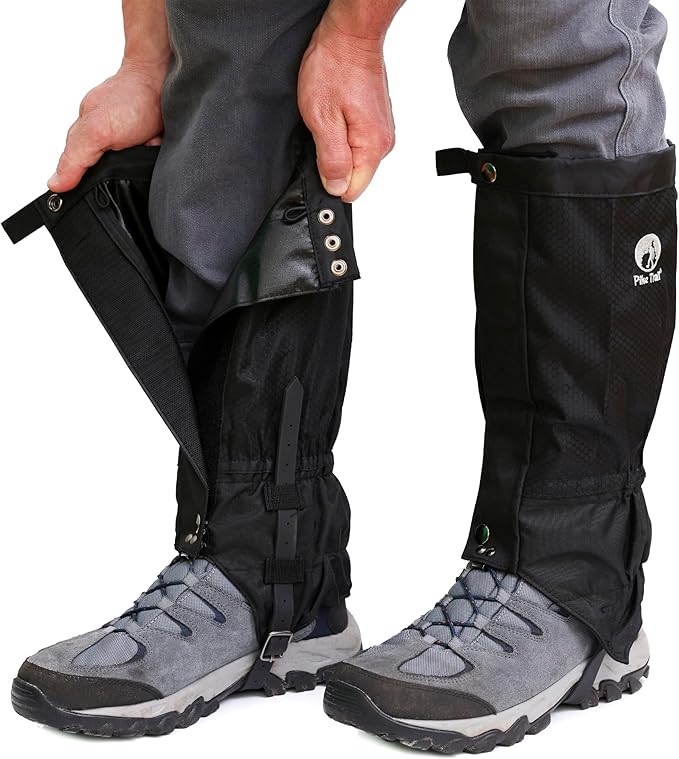
Gaiters help keep dirt, rocks, water, and snow out of your boots and protect your lower legs in rough or wet terrain. While not required, they can be especially useful in muddy or snowy conditions. Choose lightweight, breathable models that are compatible with your hiking boots.
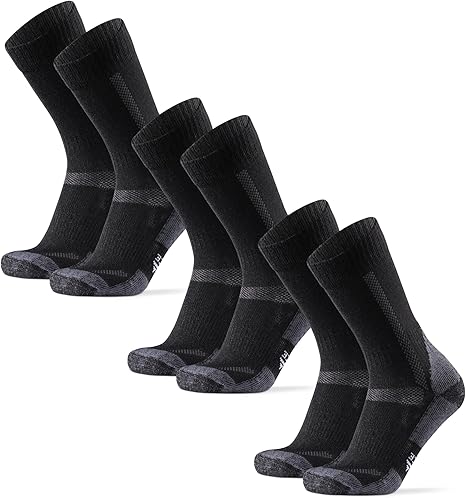
You’ll need two kinds of hiking socks for Kilimanjaro: thinner or medium-weight pairs for daily trekking, and a thicker, warmer pair for summit night. Bring around four pairs in total, and be sure to choose wool or synthetic materials—avoid cotton, as it holds moisture and can lead to blisters.
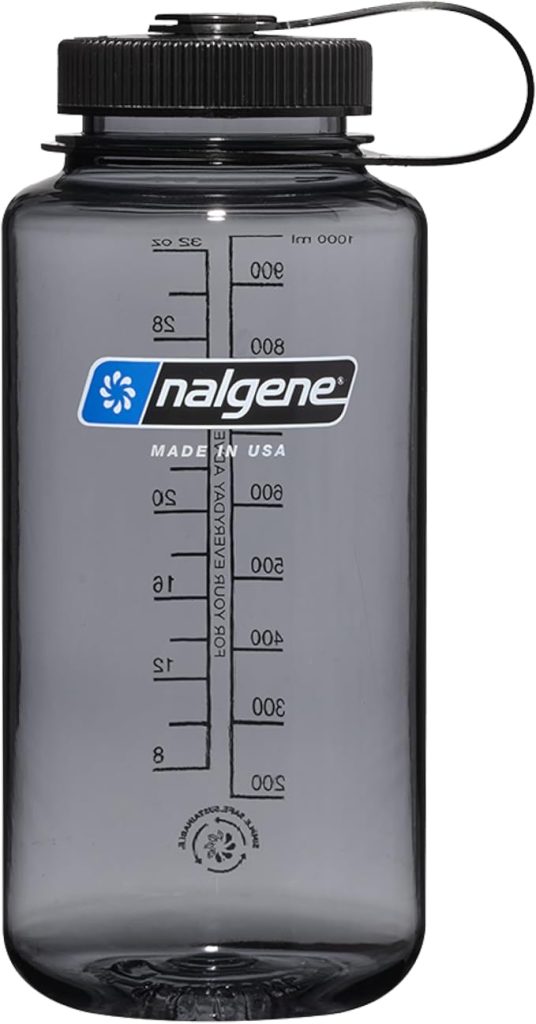
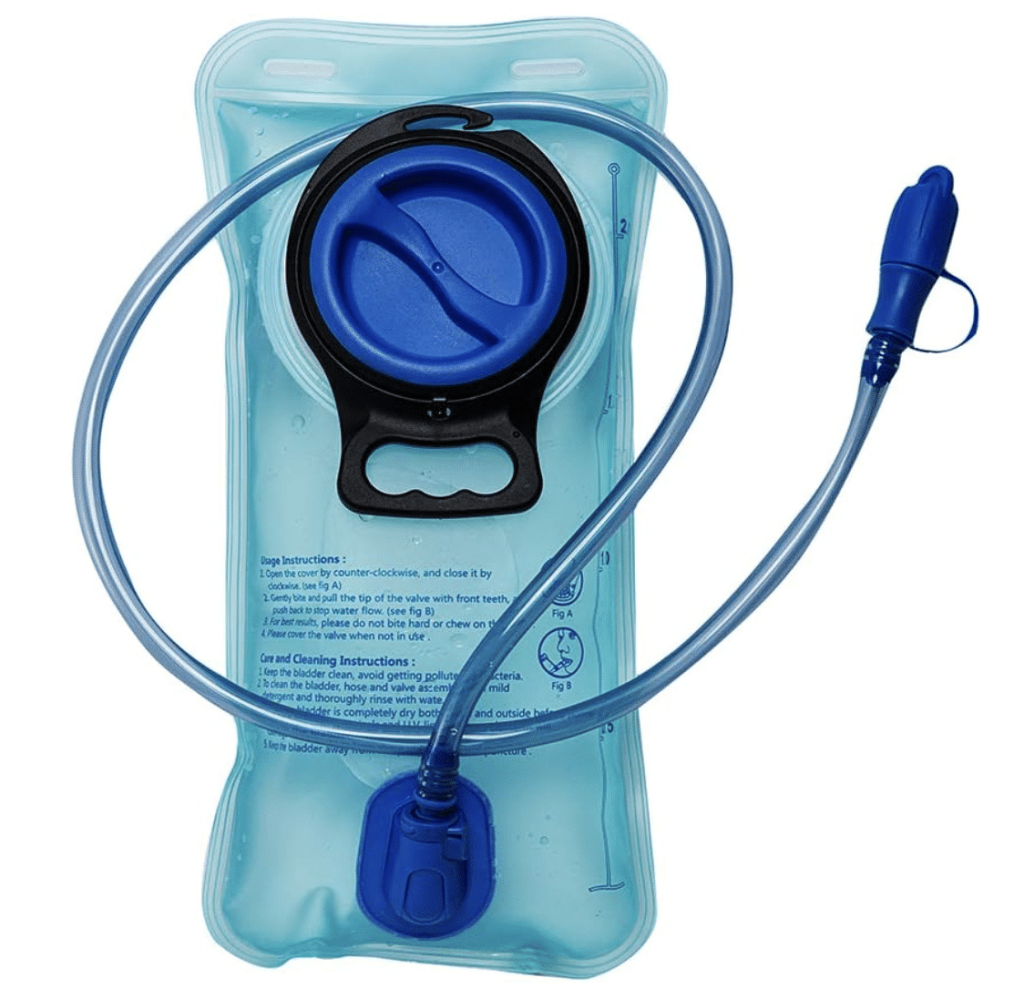
Bring two 1-liter wide-mouth water bottles (such as Nalgene-style bottles). These are essential for staying hydrated throughout the trek. Wide-mouth bottles are preferred as they are easier to fill, clean, and less likely to freeze at higher elevations. Avoid collapsible bottles or hydration bladders above camp due to freezing risk.
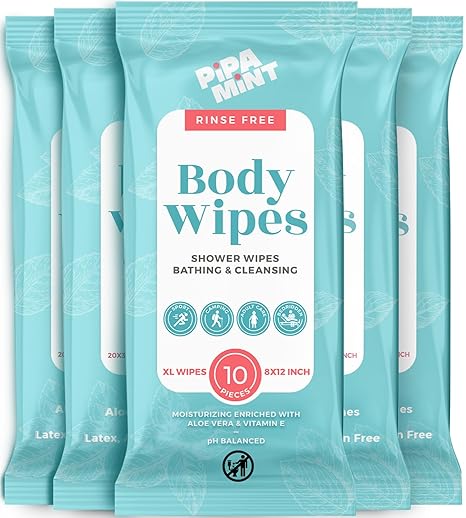
Biodegradable body or baby wipes are essential for personal hygiene on the mountain, especially where showers aren’t available. Use them to freshen up at camp and before bed. Choose unscented, travel-friendly packs and pack them out responsibly.
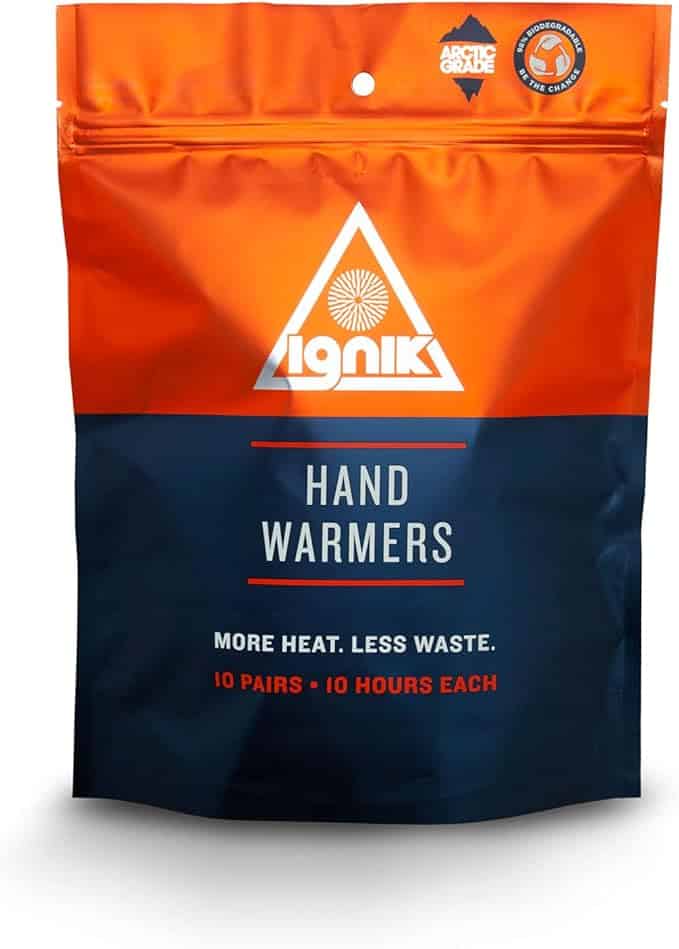
Single-use, air-activated heat packs that provide warmth for your hands and feet during cold mornings, rest breaks, or summit day. Lightweight and easy to use, they offer extra comfort in freezing conditions. Bring several pairs, especially if you tend to get cold easily.
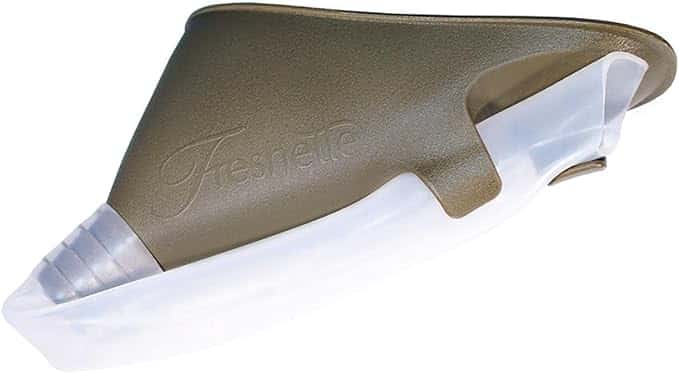
A compact, hygienic device—also known as a “female urination funnel”—that allows women to urinate standing up without removing clothing. Lightweight and easy to pack, it’s ideal for quick bathroom breaks at roadside stops, during long portages, or in cold weather when taking off layers feels daunting. Opt for a reusable silicone design, which is easy to clean and store in a hygienic bag once used.

A small GPS tracker that helps you keep an eye on your luggage while traveling to and from Tanzania — especially helpful for checked bags, duffels, and gear that may be transferred between flights, vehicles, and camps.
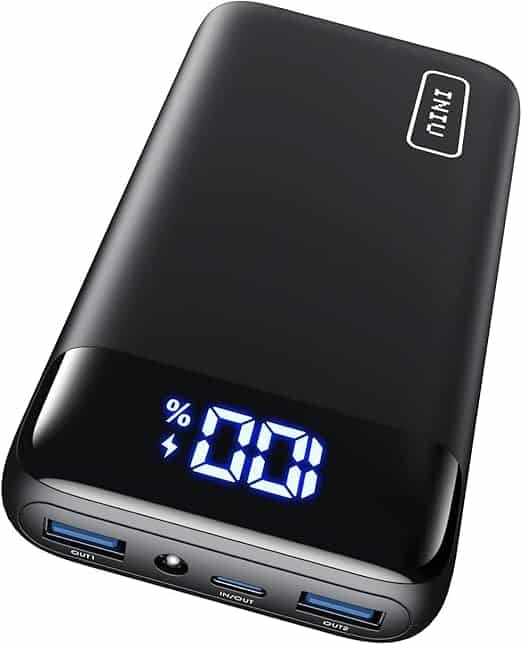
A compact portable charger to keep your devices powered during the trek, especially if you plan to use your phone for photos, GPS, or journaling. Look for a 10,000–20,000 mAh model for multiple charges and ensure it’s lightweight and reliable in cold conditions. Solar charging panels are not recommended due to limited sun exposure and unpredictable weather.
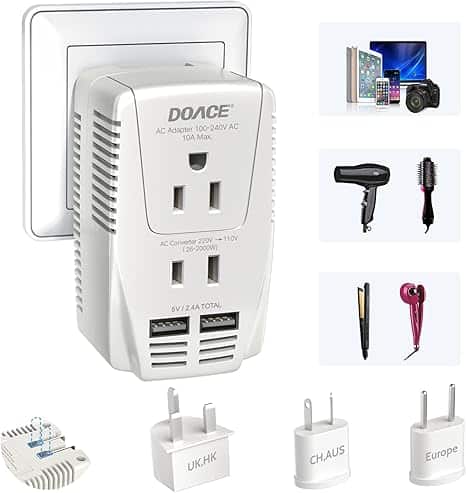
Bring a universal travel adapter suitable for Type G outlets, which are standard in Tanzania. This is essential for charging your devices at hotels before and after the trek. A model with multiple USB ports can be helpful for charging several items at once. Voltage in Tanzania is 230V, so ensure your electronics are compatible or bring a voltage converter if needed.
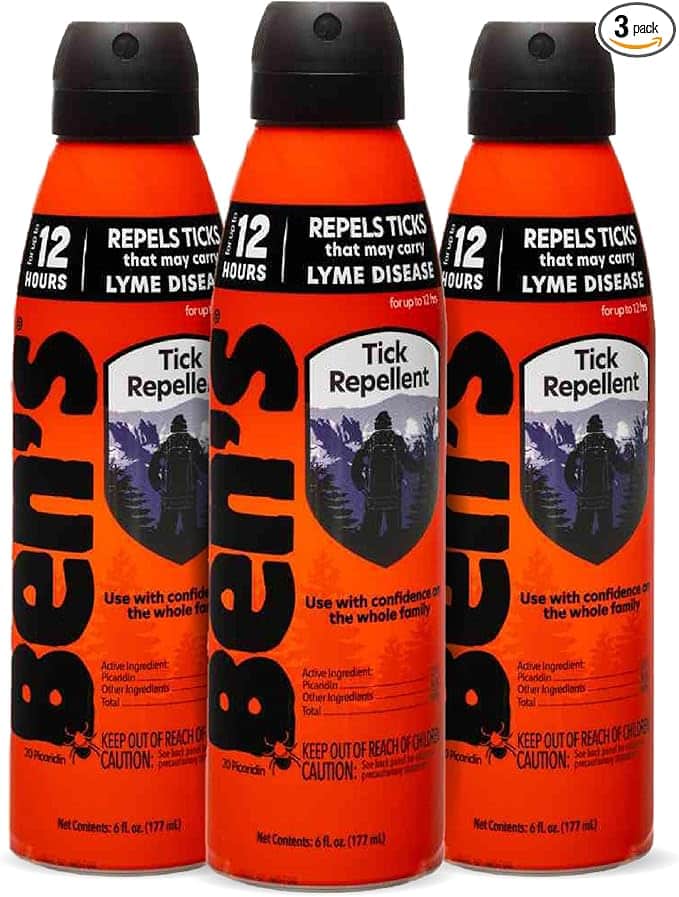
Tick Repellent: Use a DEET- or Picaridin-based insect repellent to protect against ticks and other insects, especially at lower elevations where bugs may be more active.
Sunscreen: A broad-spectrum SPF 30+ sunscreen is essential to protect against strong UV exposure at altitude. Choose a sweat-resistant, non-greasy formula.
Lip Balm: Bring SPF-rated lip balm to prevent sunburn and chapping. Cold, dry air and sun exposure on the mountain can severely dry out lips without proper protection.
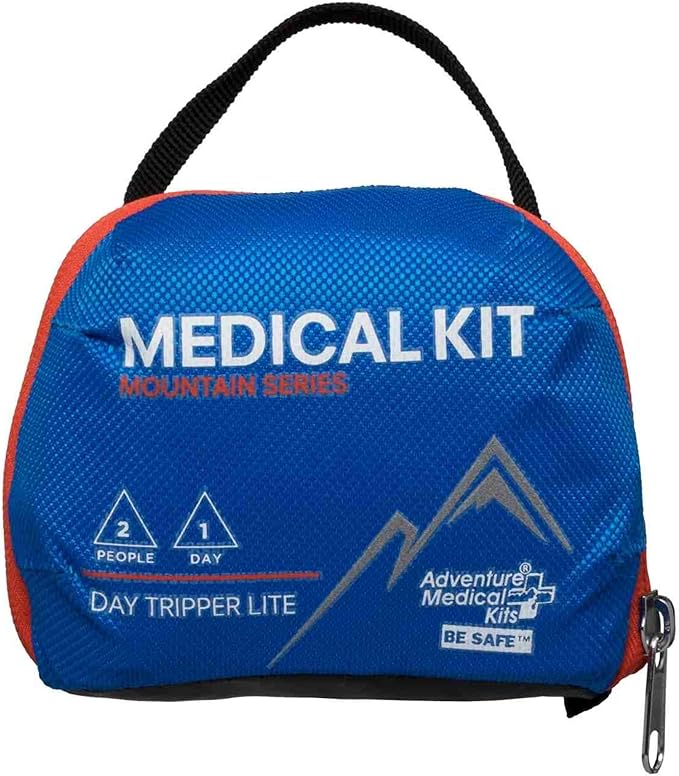
A small personal kit with prescription meds, blister care, pain relievers, basic first aid, and any altitude medication. Lightweight and waterproof recommended.